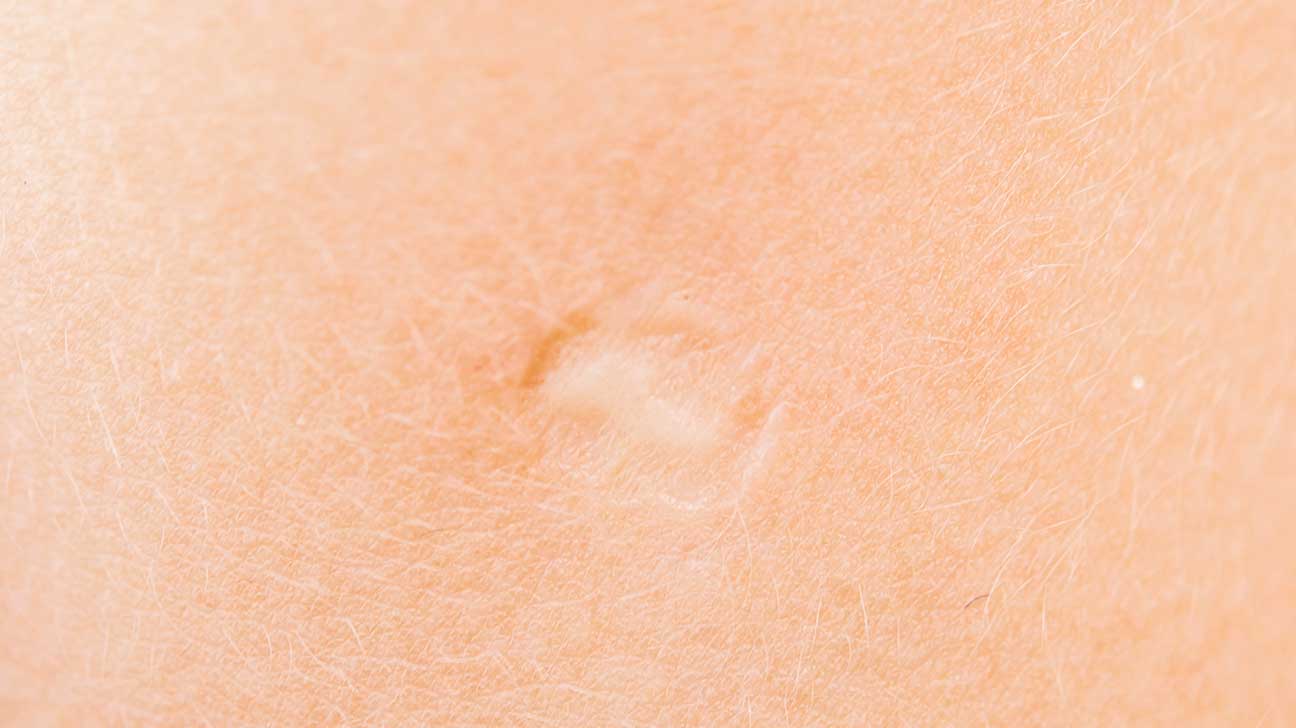
This small, round scar is a piece of medical history etched on the arm. For many, this mark was due to the smallpox vaccine. Unlike most modern vaccines, it wasn't injected deep into the muscle. A special double-pronged needle pricked the skin repeatedly, causing a small wound, then a blister, then a scab; and once healed, it often left this now-famous circular mark. In other words, the scar was proof that the body had reacted, healed, and built up a protective barrier. This small mark has become the symbol of one of the greatest public health victories of all time. Smallpox once killed millions of people, but thanks to global vaccination efforts, the World Health Organization declared it eradicated in 1980. Do you, or a member of your family, still have this scar? And do you still know what caused it? 👇Read more
Smallpox vaccine scar: why does this happen?
The scar left by the smallpox vaccine remains an iconic mark still visible in many vaccinated individuals. It testifies both to a major turning point in medical history and to the natural process of skin healing. Understanding its formation allows us to better grasp the body's response to this old but crucial vaccine in the eradication of the disease.
Long visible on the arms of many vaccinated individuals, the smallpox vaccine scar remains a source of fascination today. It tells the story of both a major medical event and a natural skin healing mechanism. Understanding its formation allows us to better grasp how our bodies react to a deliberate injury caused by a vaccine designed to protect against a now-eradicated virus. But why does this mark remain so distinctive?
The smallpox vaccine involves injecting a live virus called vaccinia, which is similar to the virus that causes the disease but much less dangerous. Administered using a bifurcated needle, it is introduced into the superficial layer of the skin, the dermis, through multiple tiny punctures. The aim is to stimulate the immune system so that it produces antibodies effective against the virus.
Why does a scar appear?
When the virus reaches the dermis, it multiplies and causes a visible local reaction. A small papule forms, which then develops into a vesicle, and finally into a scab. This succession of stages triggers the natural healing process. The body then repairs the affected area by producing scar tissue whose fibers are oriented differently from those of normal skin, which explains the sometimes indented appearance of the final mark.
Appearance and characteristics of the scar
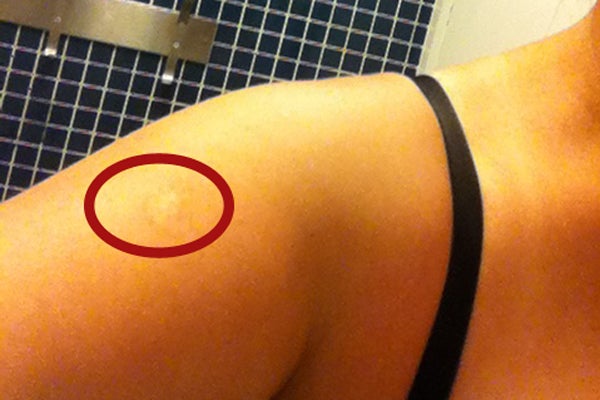
The scar left by this vaccine is usually small, round, and slightly depressed. It can sometimes cause itching or a feeling of tightness around the area. In some cases, people develop thicker scars called keloids, which are linked to an excessive production of scar tissue. These reactions vary depending on the individual and their genetic predisposition.
Differences with other vaccines and treatments
Unlike other vaccines administered today, the smallpox vaccine used a specific injection technique, which explains the formation of the scar. At the same time, this scar even served as proof of vaccination, particularly during health checks such as at Ellis Island. Other vaccines, like the BCG vaccine against tuberculosis, can also leave similar marks, although their appearance differs slightly. Finally, several treatments exist to reduce these scars, such as sun protection, moisturizing creams, or even medical techniques like dermabrasion or surgical revision.
Can a vaccination scar be reduced?
In most cases, the scar from a smallpox vaccination poses no health risks and does not require medical treatment. However, it can be minimized for cosmetic reasons. Protecting the area from the sun is recommended to prevent darkening. Moisturizing ointments such as aloe vera, cocoa butter, or certain plant extracts can be used, although their effectiveness varies from person to person. Medical options also exist, such as dermabrasion, surgical revision, or skin grafting, but their results are not always predictable. In some cases of keloids, silicone dressings or gels can help reduce the size of the scar.
A visible trace of vaccination history
During the era of widespread vaccination, the presence of this scar was even used as proof of immunization, particularly during health checks. The smallpox vaccine was declared effective enough to allow for its eradication in the United States in the 1950s, and it was removed from routine immunizations in the early 1970s. Later, some campaigns were relaunched for healthcare professionals, with a limited number of side effects, including rare cases of scarring.
Finally, although this mark may sometimes surprise or raise questions, it remains above all a testament to an effective defense mechanism of the human body and a major advance in preventive medicine.
It also illustrates how a simple medical procedure can leave a lasting mark on the skin and in history.
.webp)
.webp)



.webp)


.webp)

0 Comments:
Post a Comment