The University of Helsinki replaced the concrete in its parks with soil and grass. In 28 days, the children's immune systems were significantly strengthened. Read more
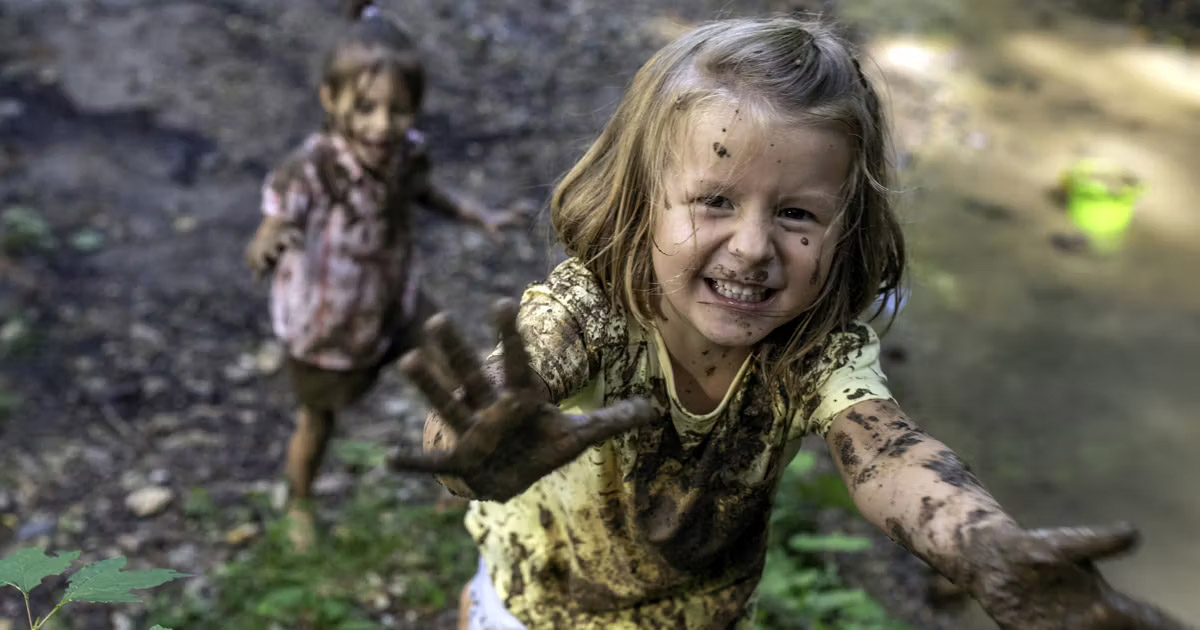
Science has confirmed what grandmothers already knew: getting dirty makes children stronger.
A Finnish study suggests that children's contact with the earth could strengthen their health, by questioning our overly sanitized play environments and rehabilitating the role of nature in their development.
What if the key to better health in children lay precisely where they're told to avoid getting their hands dirty? In modern schoolyards, amidst smooth surfaces and sanitized play equipment, an experiment from Finland is challenging our habits. The results are surprising, almost disconcerting, and could well change our perspective on playgrounds and nature.
Why contact with the earth changes everything for immunity
In a study conducted at the University of Helsinki, researchers transformed traditional playgrounds into veritable pockets of nature, covered with grass, moss, and forest soil. The children continued to play freely, without any specific instructions, simply invited to resume their usual activities. Very quickly, the scientists observed unexpected changes in their bodies. The microbial diversity present in the soil seemed to act as a genuine natural training ground for the immune system. By rubbing themselves, digging, or running barefoot, the children increased their contact with a variety of microorganisms, considered essential for teaching the body to react more effectively. Far from the idea of an overly clean environment, this experiment challenges our modern relationship with excessive hygiene and opens the door to reflection on the importance of our daily connection with nature.
Surprising results observed in less than a month
In just 28 days, blood and skin tests revealed particularly encouraging results. Researchers observed a significant increase in beneficial bacteria on the children's skin surface, as well as a rise in certain regulatory cells in the blood. These cells play a key role in balancing the immune system, helping the body better distinguish between what is harmless and what requires a defensive response. In practical terms, this could translate into greater tolerance to environmental elements and a reduction in excessive reactions. Without making any medical claims, these observations suggest that simply playing outdoors, in contact with a rich and vibrant environment, can have a positive impact on the body's natural defense mechanisms, even over a very short period.
What if nature was our best invisible ally?
These findings invite us to rethink our daily lives, which are often very disconnected from nature. In a world that prioritizes clean surfaces, disinfectants, and controlled environments, contact with the earth can seem almost unfamiliar. Yet, this study reminds us that our bodies are deeply connected to the biodiversity that surrounds us. Without encouraging us to abandon essential hygiene practices, the researchers suggest that a balance could be beneficial, especially for children as their immune systems develop. The idea isn't to change everything overnight, but rather to incorporate more time spent outdoors: playing in a park, gardening, walking barefoot in the grass when possible. These simple habits could help strengthen the connection between our bodies and nature, while also fostering well-being and curiosity.
One thing is for sure, this renewed connection with nature could well inspire new simple and joyful family habits, to be integrated into daily life to support children towards more balance and vitality.
.webp)
.webp)




.webp)


.webp)

0 Comments:
Post a Comment