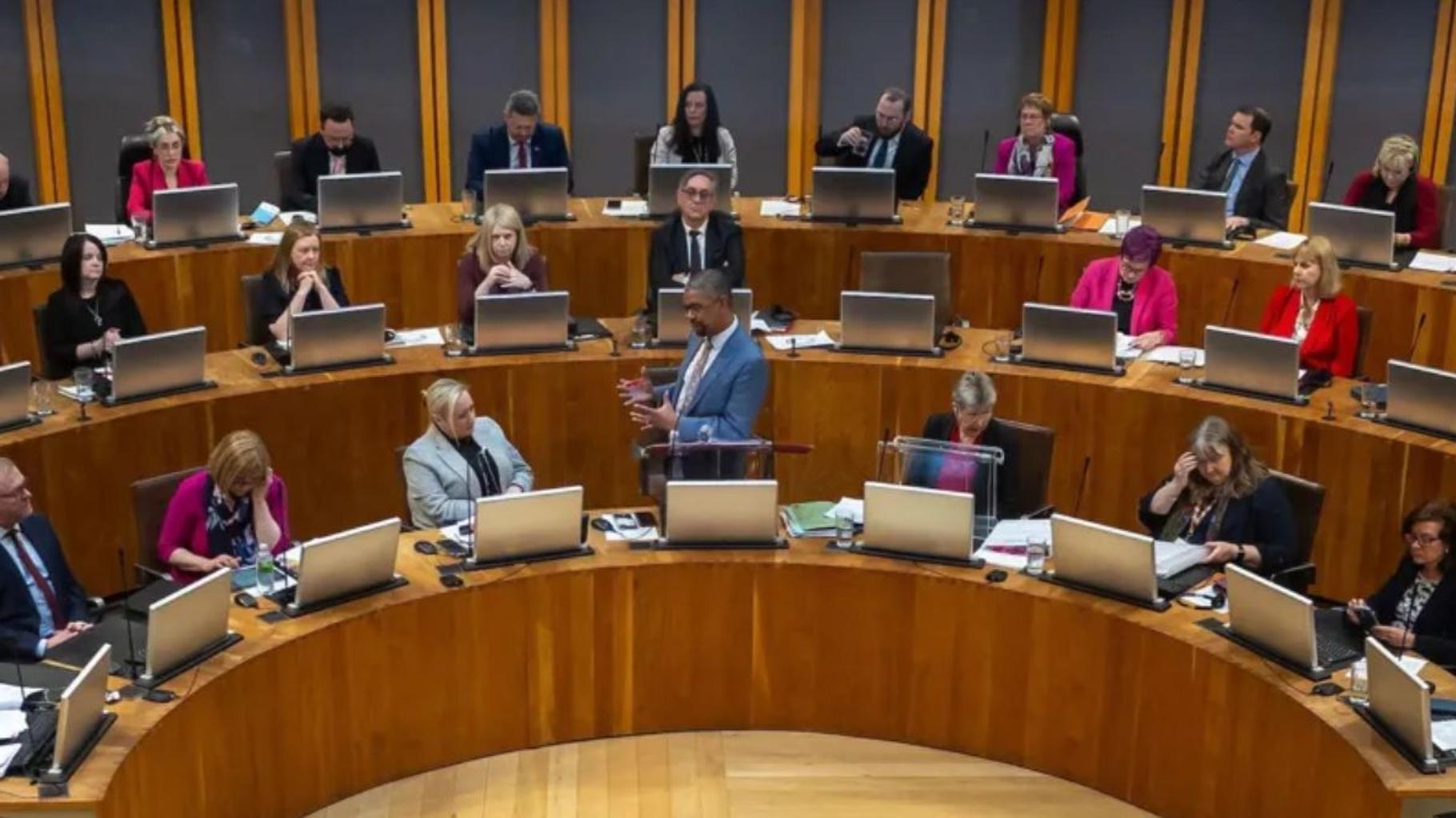
Wales could expel politicians who deliberately lie to voters. The proposal is already progressing through the Welsh parliament and, if ultimately adopted, would make Wales the first place in the world where intentionally lying in politics could cost you your seat. The initiative requires an independent body to investigate statements made by politicians and candidates. If it determines that there has been deliberate deception, penalties could range from mandatory public corrections to the loss of a seat. For years, millions of people have voiced their frustration with broken promises, false data, and misleading rhetoric during election campaigns. Now, Wales wants to raise accountability to an unprecedented level. Its proponents argue that democracy only works when citizens receive truthful information. Its opponents warn that legally defining a political lie could be an extremely complex task. The truth is, the debate is already underway: should politicians face real consequences when they deliberately deceive voters? 🌍 If the law is passed, it could be a game-changer in global politics. 📚 Source: “Senedd Research: Proposals to Combat Deliberate Deception by Politicians,” Welsh Parliament (Senedd) Continued in the comments
Wales: Lying in politics will become illegal, a decision hailed as "historic"
Wales wants to restore political trust by banning deliberate lying by elected officials by 2026, an unprecedented measure already hailed as "historic".
Rebuilding trust between voters and their elected officials. This is the stated objective of the Welsh government, which has announced a strong commitment: to make deliberate lying in politicsillegal before the next general election scheduled for 2026. An unprecedented initiative that is already sparking heated debate and which some officials are describing as "historic".
A commitment to punish political deception
According to information reported by The Guardian, the Welsh government plans to introduce legislation before 2026 aimed at more strictly regulating the statements of elected officials.
The proposed text would allow the exclusion of members of the Senedd (the Welsh Parliament) as well as candidates found guilty of deliberate deception, following an independent judicial procedure.
Mick Antoniw, General Counsel of the Labour government, indicated that this future law will have to be built with the cooperation of the different political parties, in order to define precisely how it will work.
A measure described as "historic"
This announcement was widely welcomed by some left-wing political leaders.
Adam Price, leader of the Plaid Cymru party, a nationalist and pro-independence group, described this initiative as "historic", believing that it responds to an "existential threat": the loss of voters' confidence in democracy.
He even claimed that Wales could become the first democracy in the world to introduce a blanket ban on deception by political officials.
Accusations of lying are already at the heart of political tensions
The debate was reignited by already very tense exchanges between Welsh elected officials.
Labour MP Alun Davies has accused Andrew RT Davies, leader of the Conservative MPs in the Welsh Parliament, of spreading a "straight-up lie" on social media. Davies claimed that Labour wanted to pay nearly €1,900 a month to undocumented immigrants.
For Alun Davies, this type of statement "throws politics in the gutter" and prevents a genuine democratic debate.
A political climate already tense
Other Labour officials have also denounced the excesses of political discourse.
Lee Waters notably criticized former British Prime Minister Boris Johnson, accusing him of having "lied all the way to Downing Street and lied again to get out."
According to him, the public must be able to trust the statements of political leaders, and lying cannot become the norm in public life.
A reform still under construction
Even though the commitment is now official, the details of the future law still need to be defined.
The Welsh authorities will still need to determine how to prove deliberate deception, which independent bodies will be responsible for judging cases, and how to concretely apply any sanctions.
This initiative, presented as unprecedented, could profoundly change the rules of the political game in Wales if it were to be adopted before 2026.
.webp)
.webp)


.webp)


.webp)

0 Comments:
Post a Comment