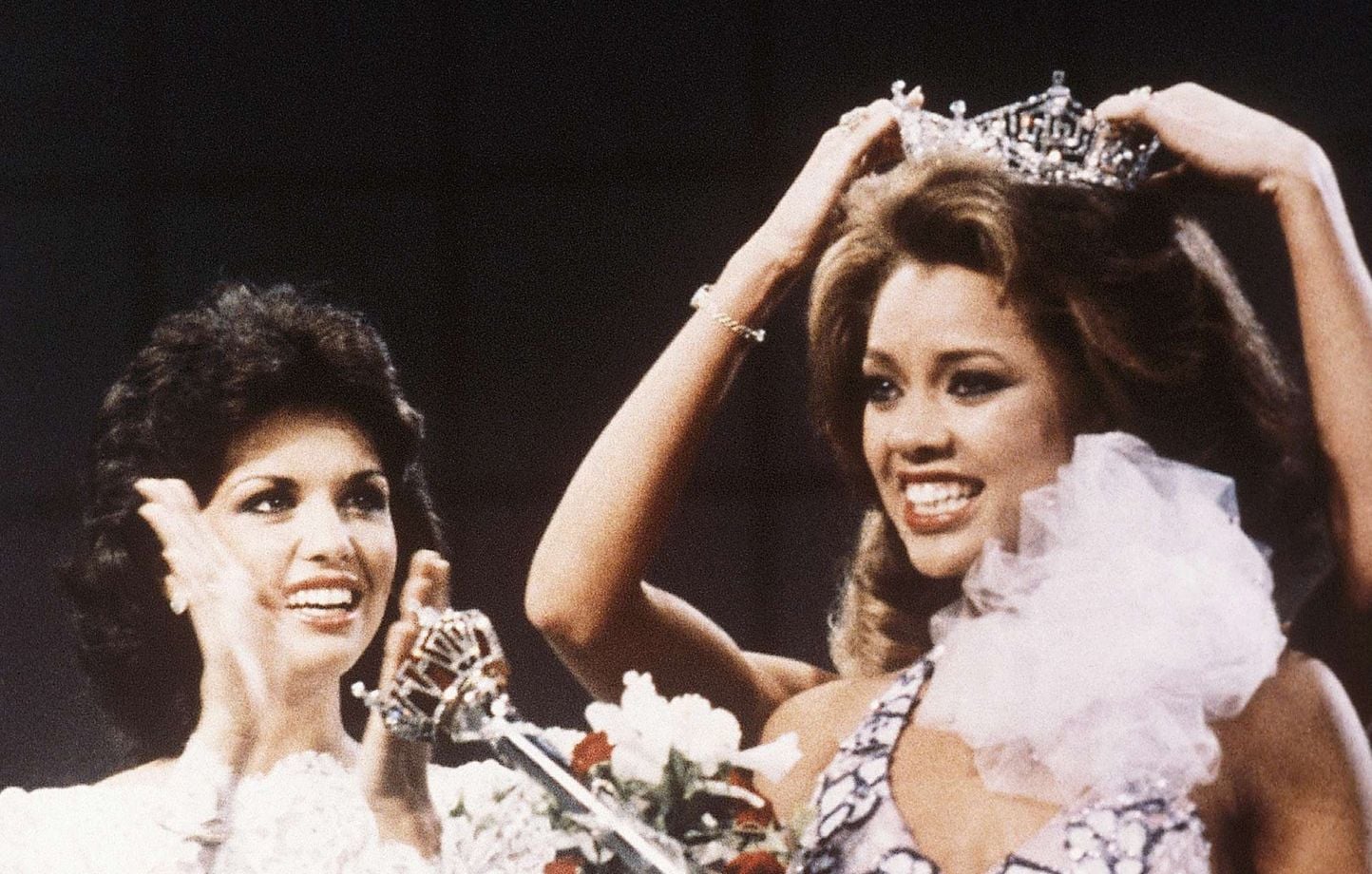
She was the first Black Miss America in 63 years. Ten months later, she was forced to resign over photos she never authorized. Thirty-two years later, the stage gave her a standing ovation. But what happened in between is a story no one tells. September 17, 1983. Atlantic City. Vanessa Williams, a 20-year-old student at Syracuse University, has just heard the words that would change her life forever: “Miss America 1984… Miss New York, Vanessa Williams!” She is the first Black woman to win the pageant in over six decades. The audience erupts. She cries tears of joy. She doesn’t know what’s happening. For ten months, Vanessa is the queen of America. Parades, hospitals, hundreds of appearances. Magazine covers, interview shows, news reports. She breaks barriers. She makes history. Everything is perfect. Until July 1984. On July 20, Penthouse magazine published nude photos of Vanessa. They had been taken two years earlier, when she was 19 and a photography student. A photographer had convinced her to pose, telling her it was for art portfolios, that they would never be published. He lied. Vanessa discovered this when a journalist called her: “What does she have to say about the Penthouse photos?” She was devastated. The photos showed her with another woman. Explicit. Conservative America exploded. It was 1984, the Reagan era, the height of the culture wars. Within days, the Miss America organization demanded her resignation. They said she had violated her contract, that she had tarnished the crown. But she hadn't posed as Miss America. She had posed two years before even entering the competition. It didn't matter. They want her gone. Vanessa tries to fight back. She hires lawyers. The organization threatens: “Resign or we will publicly strip you of your crown.” At 21, she faces the biggest media storm in the history of beauty pageants. On July 23, 1984, three days after the announcement, Vanessa resigns. She holds a press conference in Atlantic City. “I wanted to be a role model,” she says, in tears. “But it became difficult to do my job.” She hands over the crown. Suzette Charles becomes Miss America. Vanessa is humiliated on national television. The media tears her apart. Late-night comedians make jokes. Interviews mock her. She is insulted from all sides. Conservative groups rejoice. They say a Black Miss America was a mistake anyway. They use the scandal to attack progress. Vanessa becomes a symbol. Not of Black excellence. Of Black failure. The first Black Miss America lasted only ten months. Then she was dismissed in disgrace. After her resignation, Vanessa couldn't find work. No one would hire her. Too controversial. Too scandalous. She was 22 years old, and her career was over before it had even begun. She considered leaving show business altogether. But she kept trying: small theater roles, backup singing, commercials. Anything to survive. Four years after the scandal, she released her first album, *The Right Stuff*. Gold record. Top 10 hit. Then the single "Dreamin'" became a success. Suddenly, people remembered: she could sing. But the moment that would change everything came years later. A song called "Save the Best for Last" started playing on the radio. No one knew that this song was about her own life. No one knew that every word was a silent message to those who had humiliated her. The song reached number one. It stayed there for five weeks. It became one of the biggest hits of 1992. But what Vanessa didn't tell anyone—not her manager, not her family, not the producers—was the true meaning behind the song. A secret she kept for decades. A silent revenge no one understood until she revealed it herself, years later. What did "Save the Best for Last" really mean? And how did this song, unbeknownst to anyone, become the perfect weapon against everyone who tried to destroy her? 👇 Part two of this story—the secret behind her biggest hit and her return to the Miss America stage 32 years later—is in the comments. Don't miss it.
The first Black Miss America was humiliated, stripped of her title, and destroyed by the media. Thirty-two years later, the world apologized to her.
Vanessa Williams became the first Black woman crowned Miss America, before her crown became a public ordeal. Between scandal and rebirth, her journey embodies resilience in the face of judgment and the power of second chances.
What if a crown could change a life in minutes, before transforming into a global ordeal? The story of Vanessa Williams, the first Black woman crownedMiss America, reads like a modern-day fairy tale… until the day everything changed. Between meteoric rise to fame, brutal media exposure, and an unexpected rebirth, her journey still challenges our understanding of judgment andsecond chances.
A historic victory that changes the rules
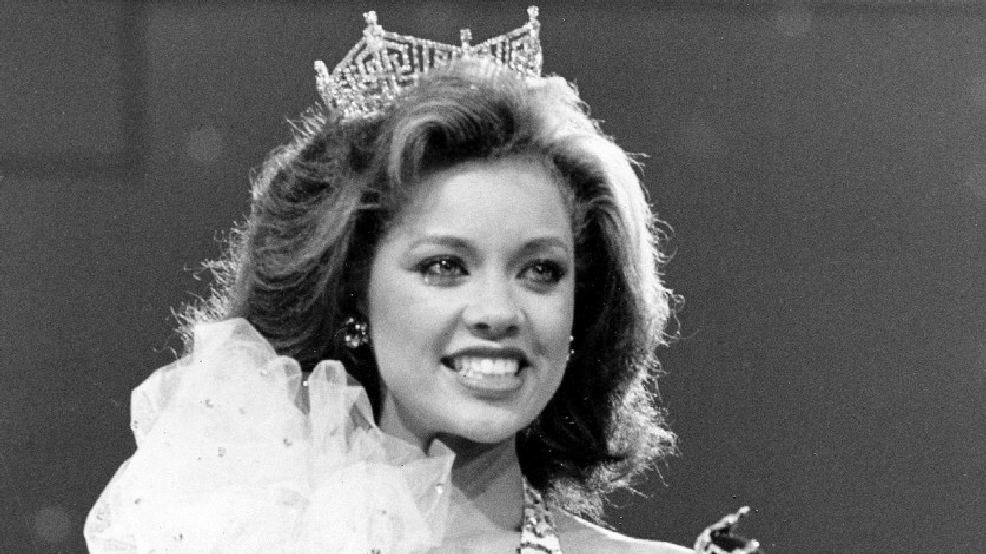
In 1983, Vanessa Williams made history by becoming the first Black woman crownedMiss America. At just 20 years old, she embodied a breath of fresh air and hope in a pageant long criticized for its lack of diversity. A student and artist, she transformed this crown into an opportunity to finance her studies and open new doors. For several months, she made a series of public appearances and became a symbol of change. Her image inspired and profoundly impacted the American public. Her journey also drew attention to the issues of representation and diversity in beauty pageants of the time. But behind the success, she remained a young woman suddenly discovering the immense pressure of fame. This period left a lasting mark on her public image and unknowingly prepared her for the challenges to come.
The media scandal and the sudden fall
A few months later, Vanessa Williams' career took a dramatic turn when a media outlet published private photos taken before her election. The shock was immense, and the young woman suddenly became the target of an unprecedented media storm. Forced to relinquish her title, she faced intense public pressure and a wave of national criticism. At 21, her reputation was shattered, and her professional future abruptly halted. Yet, behind the controversy, a young artist was trying to survive in an industry that had turned its back on her. The media of the time amplified the controversy, transforming a private decision into a national affair. She became, against her will, a symbol of the cultural debates of her era. This brutal exposure left deep scars on both her personal and professional life.
Rebuilding an extraordinary career
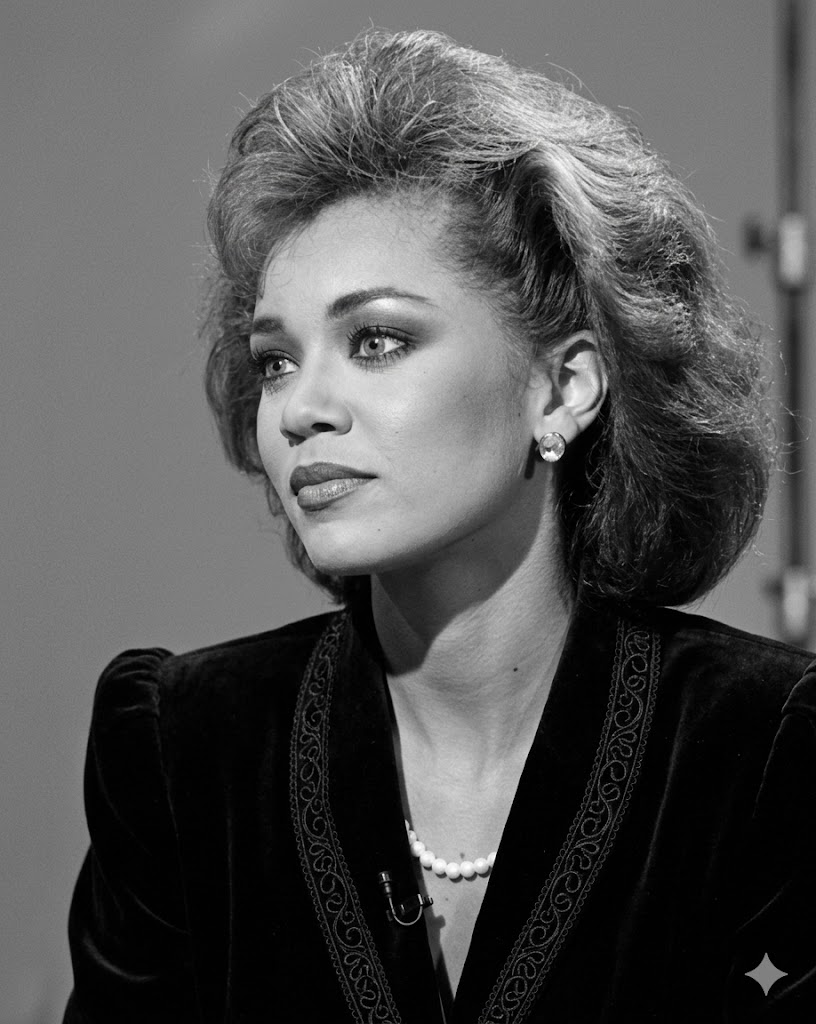
After this ordeal, Vanessa Williams refused to disappear from the artistic scene. She began with small roles, appearances, and modest projects to rebuild her career. Gradually, she returned to the forefront of the music scene with several successful albums. She then established herself in film, television, and especially musical theater. Her talent was rewarded with numerous nominations and international critical acclaim. She progressively proved that her talent far transcended past controversies. Her comeback was celebrated by the public and marked a significant step in her rebirth. Each project became a new opportunity to rebuild a strong and respected image.
A belated but symbolic apology
Thirty-two years after the scandal, the Miss America organization finally invited Vanessa Williams back on stage. During the event, she received a public apology for the decisions made at the time. This powerful moment moved the audience and marked a belated recognition of her past. Vanessa, now an accomplished artist, accepted this gesture with emotion and dignity. This symbolic reparation does not change the past, but it soothes a long-standing injustice. It also symbolizes a shift in attitudes and a growing collective awareness.
Beyond the scandal and years of silence, Vanessa Williams' story reminds us that the most publicized trials can also become the starting point for an exceptional reconstruction, where talent, perseverance, and dignity ultimately redefine an entire career, transforming a public fall into an inspiring trajectory that continues to influence discussions about resilience, representation, and second chances in the entertainment industry, proving that no mistake, especially when amplified by the world's gaze, can permanently erase the strength of a journey built with courage and determination.





.webp)


.webp)

0 Comments:
Post a Comment