Could Covid-19 leave scarring lung damage that could increase the risk of cancer?
Covid-19 and lung cancer: a discovery about the Spike protein raises concerns among American researchers
Since the Covid-19 pandemic, researchers have been studying the possible long-term effects of SARS-CoV-2 on lung health. Among the avenues explored is a particularly sensitive topic: a possible link with lung cancer.
The long-term effects of certain viruses, invisible and complex, continue to be studied by the scientific community. Since the Covid-19 pandemic, several international teams have been examining the possible impact of SARS-CoV-2 on long-term lung health, particularly in relation to a sensitive topic: lung cancer.
Results from large databases
Research conducted in the United States and Israel analyzed the medical records of hundreds of thousands of patients to observe potential associations between Covid-19 infection and the development of lung cancer. In some cohorts, researchers found a slight relative increase in therisk of lung cancer, particularly among those who experienced severe forms of the disease.
They clarify, however, that these observations do not demonstrate a direct cause-and-effect relationship. Rather, it is a statistical correlation, requiring further analysis to isolate confounding factors such as age, smoking, or medical history, which could influence the results.
A viral protein at the center of research
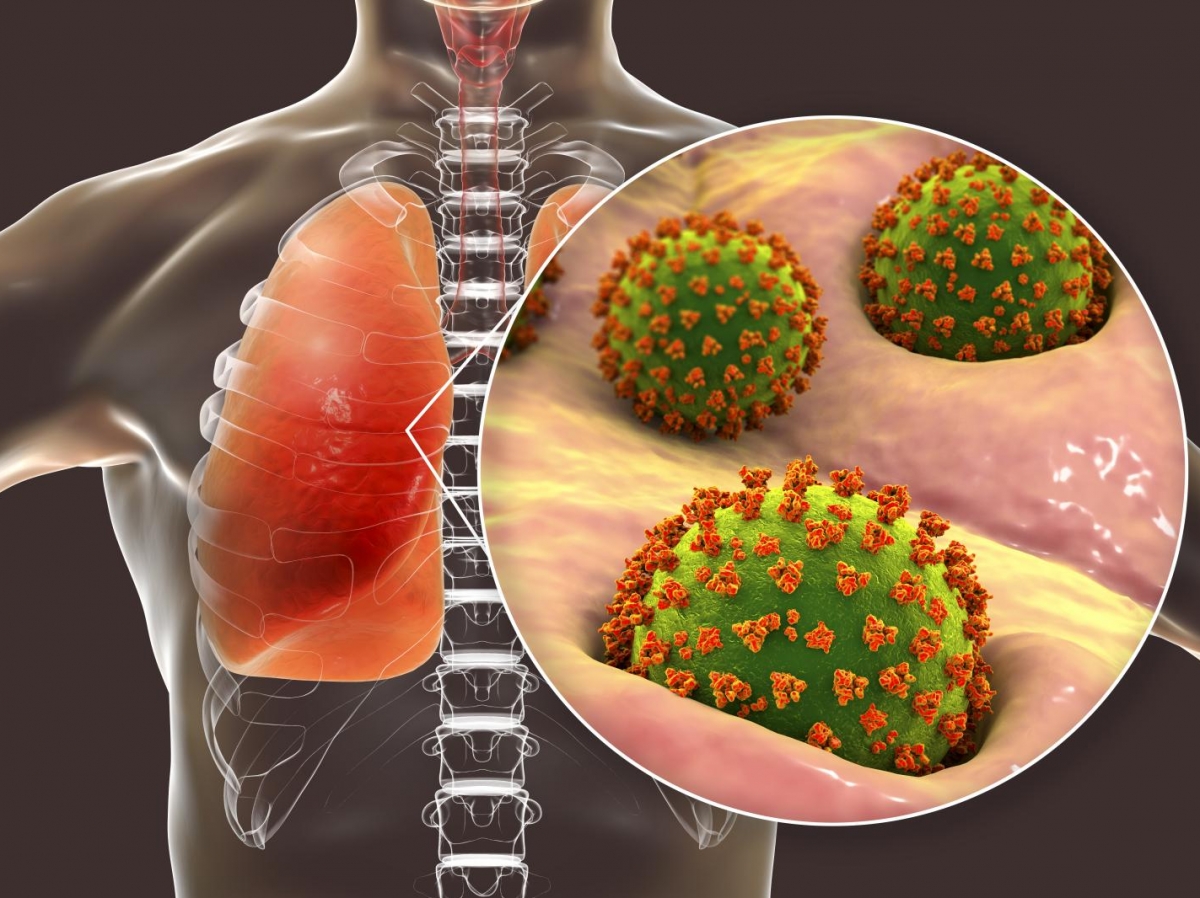
Scientists are particularly interested in the virus's Spike protein, suspected of playing an indirect role inlung inflammationand certain biological mechanisms related to tissue repair. Experimental studies suggest the activation of inflammatory pathways such as TYMP and STAT3, implicated in fibrosis and processes that could, in the long term, weaken lung tissue.
An increased risk considered modest but worth monitoring
In a large international database, more than 160,000 people who had Covid-19 were compared to uninfected subjects. The results show a relative increase in the risk of lung cancer, but the absolute increase remains small at the individual level. The researchers emphasize that the observed differences remain minimal for the majority of people, particularly non-smokers.
Who needs to remain the most vigilant?
The data all point to one main observation: people who have experienced severe forms of Covid-19 appear to be more at risk of this potential increase. Smokers and former smokers also constitute a more exposed group, due to pre-existing lung conditions. Conversely, in people without any particular risk factors and who have had a mild case, no clear increase has been observed at this stage.
What this work changes in understanding
For researchers, these results do not mean that Covid-19 directly causes cancer, but that it could act as an aggravating factor in an already weakened state. The hypothesis put forward is based in particular on persistent inflammation, pulmonary fibrosis, and certain biological cascades observed after infection.
Towards long-term vigilance
Experts believe these results should primarily encourage appropriate medical monitoring of at-risk individuals, without causing undue concern. Post-infection follow-ups could help to better understand the long-term effects of the virus on the lungs.
A message of prevention rather than an alert
The researchers emphasize the need for caution in interpreting the results, noting that current data do not allow for establishing a direct causal link in all cases. Rather, it represents a scientific signal requiring further research and long-term monitoring.
Key takeaways
At this stage, available studies suggest a modest association between COVID-19 and an increased risk of lung cancer in certain specific profiles, particularly after severe cases. This risk remains low in absolute terms and primarily concerns individuals already weakened by other factors such as smoking. Data continues to be analyzed to better understand the biological mechanisms involved and to refine long-term prevention strategies. In the meantime, experts recommend a balanced approach, avoiding excessive interpretation, while continuing research on post-infection effects.
In this context, health authorities emphasize that current findings are based on evolving data and must be confirmed by further, larger-scale international studies. Scientists are continuing their work to better understand the links between inflammation, tissue repair, and chronic diseases, within a public health framework focused on prevention and long-term patient monitoring.
.webp)
.webp)


.webp)


.webp)

0 Comments:
Post a Comment