Two silent diseases that your feet can reveal: the signs to look for and when to consult a doctor
Two silent diseases that your feet can reveal: the signs to look for and when to consult a doctor
We hide them in shoes all day, we only notice them when they hurt… and yet, our feet can sometimes be valuable indicators of our overall health. Far from being mere supports for movement, they also reflect our general well-being.
Some changes, often dismissed as trivial, can call for increased vigilance. Without being alarmist, learning to listen to your feet is also about learning to know yourself better and taking care of your health gently and sensibly. Foot health and attention to the body often go hand in hand.
Why feet are true indicators of well-being
Each foot is a complex mechanism, composed of bones, muscles, nerves, and blood vessels. Located at the extremities of the body, they can sometimes more quickly manifest certain internal imbalances, particularly those related to circulation or nerve sensitivity. A change in temperature, unusual discomfort, or a change in the appearance of the skin and nails is not necessarily alarming, but it deserves careful observation, especially if these symptoms persist or develop gradually.
When feet can indicate a cardiovascular imbalance
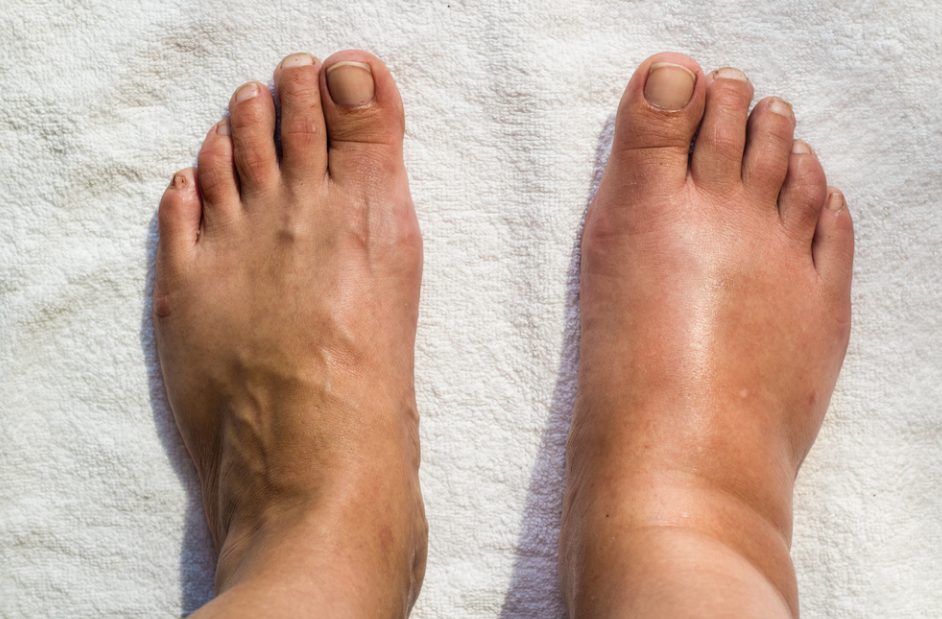
Feet that are frequently cold, swollen, numb, or painful can sometimes be associated with circulatory problems. In this case, it's important not to ignore these signs. If your feet seem to indicate a possible cardiovascular imbalance, consulting a doctor without delay is essential. Treatment always depends on the individual situation: it may include lifestyle adjustments, medication, or even further tests if necessary. In the long term, regular medical follow-up and adherence to recommendations play a key role.
Good news: prevention remains the number one ally. A varied and balanced diet, appropriate physical activity, sufficient sleep, and limiting tobacco and alcohol consumption all contribute to preserving cardiovascular balance… and therefore also foot comfort.
Possible signs of diabetes that should not be ignored
The feet can also reveal signs associated with diabetes, a common condition that affects circulation and nerves. Possible symptoms include tingling, burning sensations, pain, numbness, dry or cracked skin, small wounds that heal slowly, and recurring fungal infections. These signs may seem minor, but they should never be ignored. For example, decreased sensitivity can increase the risk of falls or injuries because the brain is less able to perceive pressure and foot movement. Preventing diabetes also involves regularly paying attention to your feet.
The importance of early diagnosis and monitoring
Early diagnosis and appropriate management of diabetes are essential to limit complications. Signs observed in the feet can sometimes indicate not only the presence of an imbalance, but also its progression. In this context, consulting a healthcare professional promptly is a preventative measure, not an act of excessive worry. Management generally relies on a combination of measures: a balanced diet, regular physical activity, appropriate treatments, and, if necessary, insulin therapy. Monitoring blood glucose levels and foot sensitivity is an integral part of this follow-up.
Simple actions that make a difference every day
Regularly observing your feet, moisturizing the skin, choosing comfortable shoes, and checking the condition of your toenails are simple yet invaluable habits. They allow you to quickly spot changes and take action without delay. Moving every day, even moderately, promotes circulation and contributes to overall well-being. These actions, integrated into a realistic and gentle routine, are often more effective than grand resolutions that are difficult to maintain in the long run.
Listening to your feet, an act of kindness
Taking care of your feet isn't about giving in to anxiety; it's about cultivating a kind and caring approach to your body. They carry us every day, tirelessly, and deserve a little more attention.
Sometimes, simply looking at your feet differently is enough to take a step towards more mindful and balanced health.
.webp)
.webp)






.webp)


.webp)


.webp)
.webp)
0 Comments:
Post a Comment