The Incredible Experiment of the Man Who Defyed Death Through Cryogenics
The Incredible Experiment of the Man Who Defyed Death Through Cryogenics
Discover the fascinating story of James Hiram Bedford, a pioneer in cryogenics, and delve into the scientific and ethical debates surrounding his extraordinary adventure.
The quest for immortality: an age-old desire of humanity
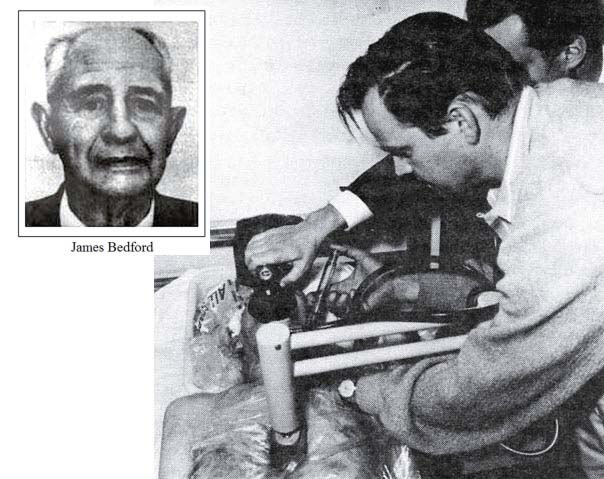
Since time immemorial, humankind has aspired to push back the boundaries of mortality. James Bedford, a Californian psychology professor, embodied this dream by becoming the first individual to undergo cryopreservation in 1967. Faced with a terminal cancer diagnosis, he dared the unthinkable: to have his body frozen at -196°C in the hope that one day, science would be able to resurrect him.
His inspiration? The revolutionary book "The Prospect of Immortality" by Robert Ettinger, considered the pioneer of cryogenics. At the time, this idea seemed straight out of a science fiction novel, but for Bedford, it was a concrete possibility.
Cryogenics: scientific breakthrough or mere pipe dream?
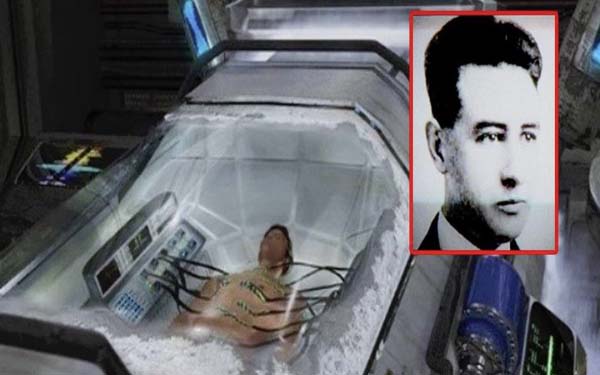
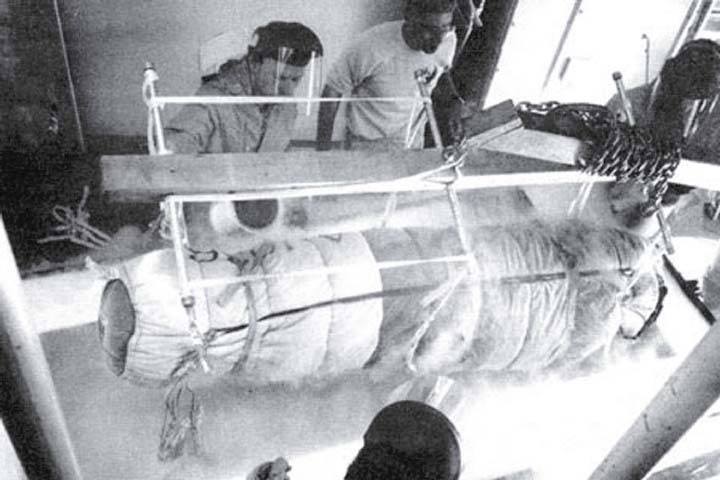
James' cryopreservation procedure was a technological feat for its time. After his death, his blood was replaced with dimethyl sulfoxide, a chemical designed to preserve his organs. His body was then placed in a tank of liquid nitrogen, awaiting a future where medicine could conquer cancer and reverse death.
However, fifty years later, the question remains: is it truly possible to bring a cryopreserved body back to life? While cryogenics has made it possible to preserve tissues or organs for transplants, reviving a human being remains a colossal challenge. Human cells, altered by freezing, suffer irreversible damage.
A mixed state after decades of cryopreservation
In 1991, twenty-four years after Bedford's cryopreservation, his body was examined by Alcor, the company that currently preserves it. To everyone's surprise, its condition was described as "relatively good": his face appeared rejuvenated and, despite some cracks and slight discoloration, it seemed to have withstood the test of time well.
These findings, however, do not guarantee that Bedford can ever be brought back to life. Today, his body remains submerged in a tank of liquid nitrogen, alongside 145 other individuals who share the same hope.
Cryogenics: a path to the future or a dead end?
Modern science is constantly progressing, but resurrecting a human being remains an insurmountable obstacle. While cryogenics has sparked great hopes, it also raises ethical questions. Could the billions invested in these projects be better used in current medical research, particularly in the fight against incurable diseases?
James Hiram Bedford has become a symbol of humanity's eternal quest against death. Even though science has not yet achieved this miracle, it continually explores ways to prolong life, pushing back the boundaries of what is imaginable every day.
And what is your opinion? Is Bedford's gamble a foolhardy gamble or a pioneering step forward? Only time will tell.
.webp)




.webp)


.webp)


0 Comments:
Post a Comment