.webp)
Who hasn't experienced that unpleasant little pain in their heel when putting their foot down in the morning? We often tell ourselves it's "nothing," just fatigue or the shoes we wore the day before. Yet, when this discomfort sets in and transforms even the simplest walk into a real struggle, we start to wonder… So, where does this pain really come from, and more importantly, how can we get back to walking lightly without suffering?
The most common causes of heel pain
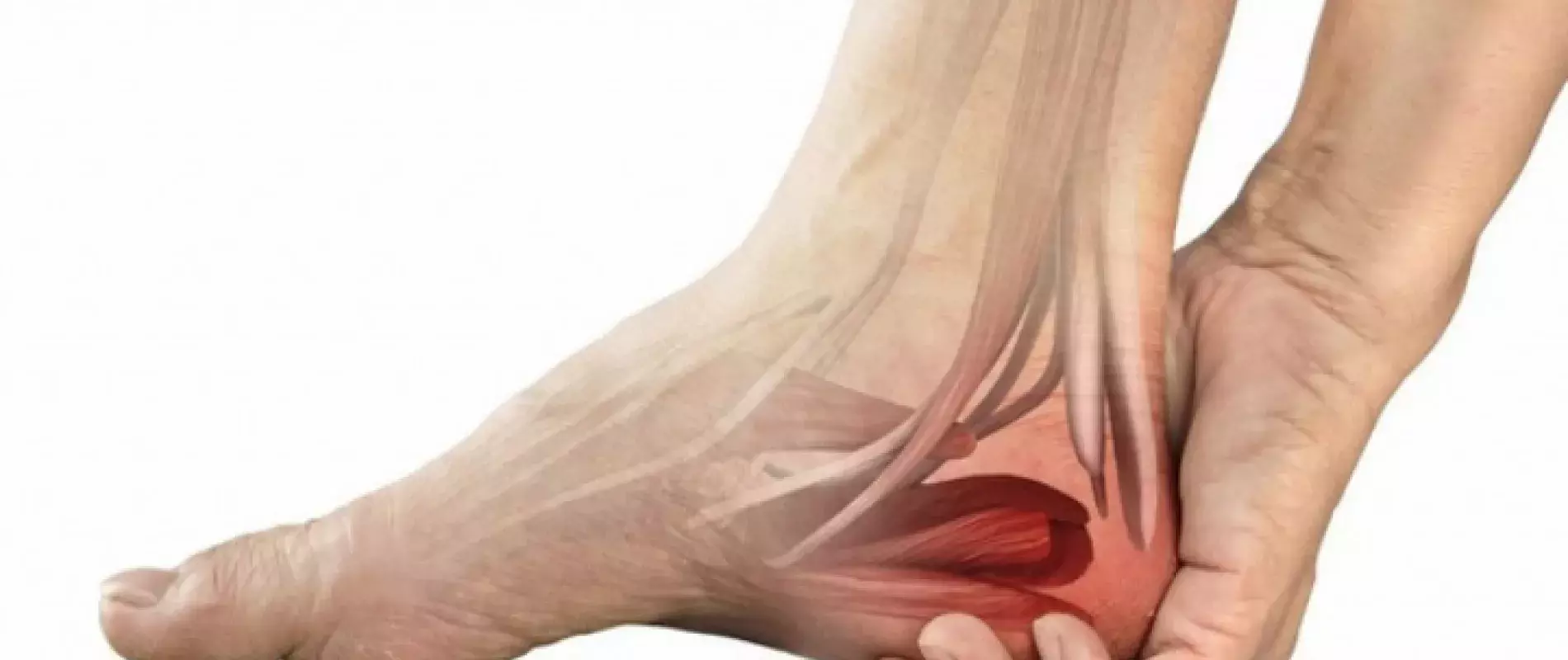
The first culprit, and by far the most well-known, is plantar fasciitis . Imagine an elastic band that connects your toes to your heel: this is what supports the arch of your foot. When it's overused, it becomes irritated and causes that infamous sharp pain, often upon waking or after prolonged sitting. Athletes who run a lot, but also people who stand for hours at work, know it well .
But that's not the only explanation! Achilles tendinopathy , for example, can also cause pain, as can heel spurs , small bony growths that form on the heel bone. Add to that poor posture, shoes that are too rigid ( or conversely, insufficiently structured ), and even a lack of warm-up before exercise: a combination of factors that can contribute to the onset of pain .
Why are some people more affected than others?

Good news: you're not alone in facing this problem. Less good news: some people are more susceptible. Long-distance runners, obviously, but also teachers, nurses, and salespeople who spend all day on their feet. Being overweight can also increase the pressure on the heel and weaken this area. In short, there isn't just one cause, but rather a combination of factors that come together and eventually trigger a warning sign .
How to soothe pain on a daily basis?
The key is to act quickly, before discomfort sets in. Specialists generally advise:
- Relative rest: no need to stay still, but limit activities that put too much strain on your heels (like jogging on asphalt).
- Targeted stretching: a few simple exercises can help relax the fascia and relieve tension.
- Adapted orthotic insoles: they allow for better distribution of body weight and reduce pressure on the arch of the foot.
- Choosing shoes: opt for good cushioning and firm support rather than models that are too flat or too rigid.
In the most persistent cases, physiotherapy sessions may be offered, always with a view to providing relief and daily comfort.
Small preventative actions that make all the difference

Rather than waiting for the pain to develop, why not focus on prevention? This can involve simple habits:
- Warm up for a few minutes before any physical activity.
- Alternate your pairs of shoes daily, rather than always wearing the same ones.
- Gently massage the arch of your foot after a day on your feet.
- Maintain a stable weight to limit pressure on the feet.
These actions may seem simple , but when combined, they make a real difference to the health of your feet.
When should you consult a professional?
While heel pain is rarely a serious problem, it shouldn't be ignored. If the discomfort persists for more than a few weeks despite taking steps to alleviate it, it's best to consult a doctor. Not to overreact, but to get an accurate diagnosis and personalized advice. Because every foot is unique and deserves your full attention.


.webp)


.webp)

0 Comments:
Post a Comment