.webp)
Lung cancer, responsible for millions of deaths each year, may finally meet a formidable adversary: a revolutionary messenger RNA vaccine is currently in clinical trials. A glimmer of hope in the fight against this devastating disease.
A major breakthrough in the fight against cancer thanks to a post-pandemic innovation
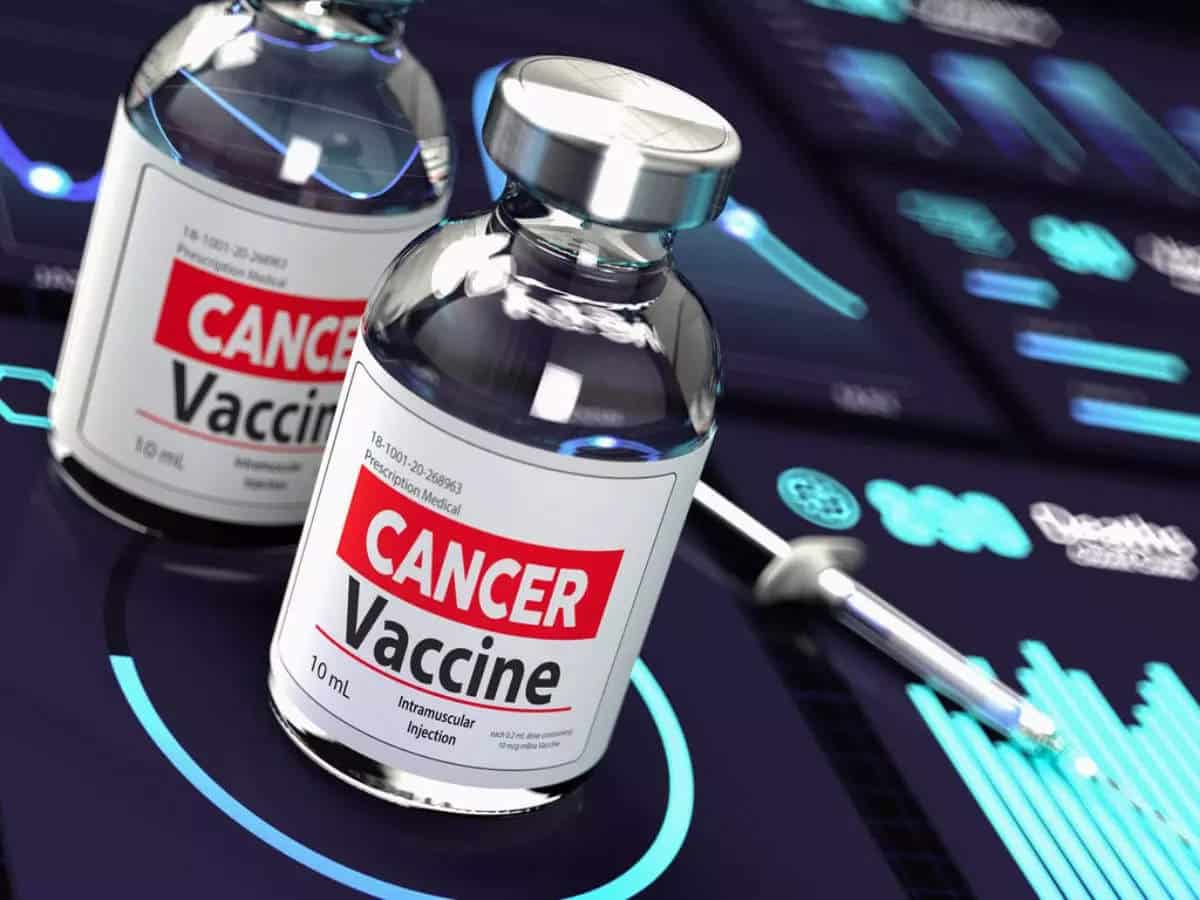
The health crisis has highlighted the revolutionary potential of messenger RNA (mRNA) vaccines. Their ability to effectively stimulate the immune system has already proven its efficacy against viruses. Today, this same technology is being explored to combat lung cancer, a disease often detected at an advanced stage.
The BNT116 vaccine, developed by BioNTech, specifically targets non-small cell lung cancer (NSCLC), the most common form of this disease. Its innovative mechanism relies on the use of mRNA to induce the production of lung cancer-specific antigens. Once injected, the mRNA is taken up by certain cells, which then generate these antigens. The immune system then identifies these antigens as foreign, triggering a targeted response against the cancer cells.
In short, this vaccine educates the body to recognize and attack tumor cells, thus preparing the ground for an effective battle against cancer.
Large-scale clinical trials in several countries
Clinical trials of BNT116, called LuCa-MERIT-1, have begun in seven different countries, including the United States, the United Kingdom, Germany, Spain, Hungary, Poland, and Turkey. This international approach aims to evaluate the vaccine's efficacy in diverse populations, thereby strengthening the credibility of the results. Approximately 130 patients with advanced or metastatic lung cancer will receive this treatment, in combination with standard immunotherapies. The goal is to assess both its efficacy and safety before considering wider distribution.
How clinical trials work

Before a vaccine can be marketed, it must go through several crucial stages. Phase I involves testing the vaccine on a small group of patients to assess its safety and determine the optimal dosage. Phase II expands the study to a larger group to measure its effectiveness and identify any potential side effects. Phase III compares the vaccine to standard treatments in a large number of participants to confirm its efficacy. Finally, Phase IV focuses on post-marketing surveillance to detect any rare side effects. Currently in Phase I, the BNT116 vaccine must successfully complete all these stages before being offered to the general public.
A huge hope for the fight against cancer
The arrival of this new vaccine has sparked considerable hope. If the trials are successful, a significant advance in the treatment of lung cancer, and perhaps other types of cancer, could be on the horizon.
However, many steps still need to be taken before a potential market launch. Several years could pass between the results of clinical trials and possible commercialization. Nevertheless, it is undeniable that medical research is approaching a major shift in the treatment of lung cancer.
In the coming months, all eyes will be on the progress of these clinical trials. And what if, finally, we were on the verge of seeing a vaccine emerge that could save millions of lives?


.webp)


.webp)

0 Comments:
Post a Comment