6 effective methods to get children's attention without yelling
6 effective methods to get children's attention without yelling
Your child picks up on every whisper... except when it comes to daily instructions. Discover expert-proven techniques for communicating effectively with young, selective ears, without raising your voice. Transform everyday challenges into moments of connection with these simple tips.
When too many instructions stifle children's attention
We've all been there: you give three or four instructions in a row, and your little one only seems to remember one. The reason is simple: their developing brain isn't designed to handle to-do lists worthy ofa CEO's schedule."Put away your coat, do your homework, pack your box, and take a shower"... It's simply too much at once.
The trick? Break it down into smaller steps. Try this instead:"When you've finished your snack, you'll go get your school things ready. Then, we'll take your shower together."Two clear steps, spaced out in time. Much easier for their young minds to grasp!
The magic of short and targeted instructions
Children love efficiency. A long, well-intentioned but confusing speech will have less impact than a simple, visual instruction. Compare:"We're going to Grandma's and there might be games in the garden, so wear clothes you don't mind getting dirty"versus"Put on your jogging pants, we're going to Grandma's!"
The difference is striking, isn't it? Thisdirect and visualapproach works like a charm.
Communicating with the whole body: the art of capturing attention
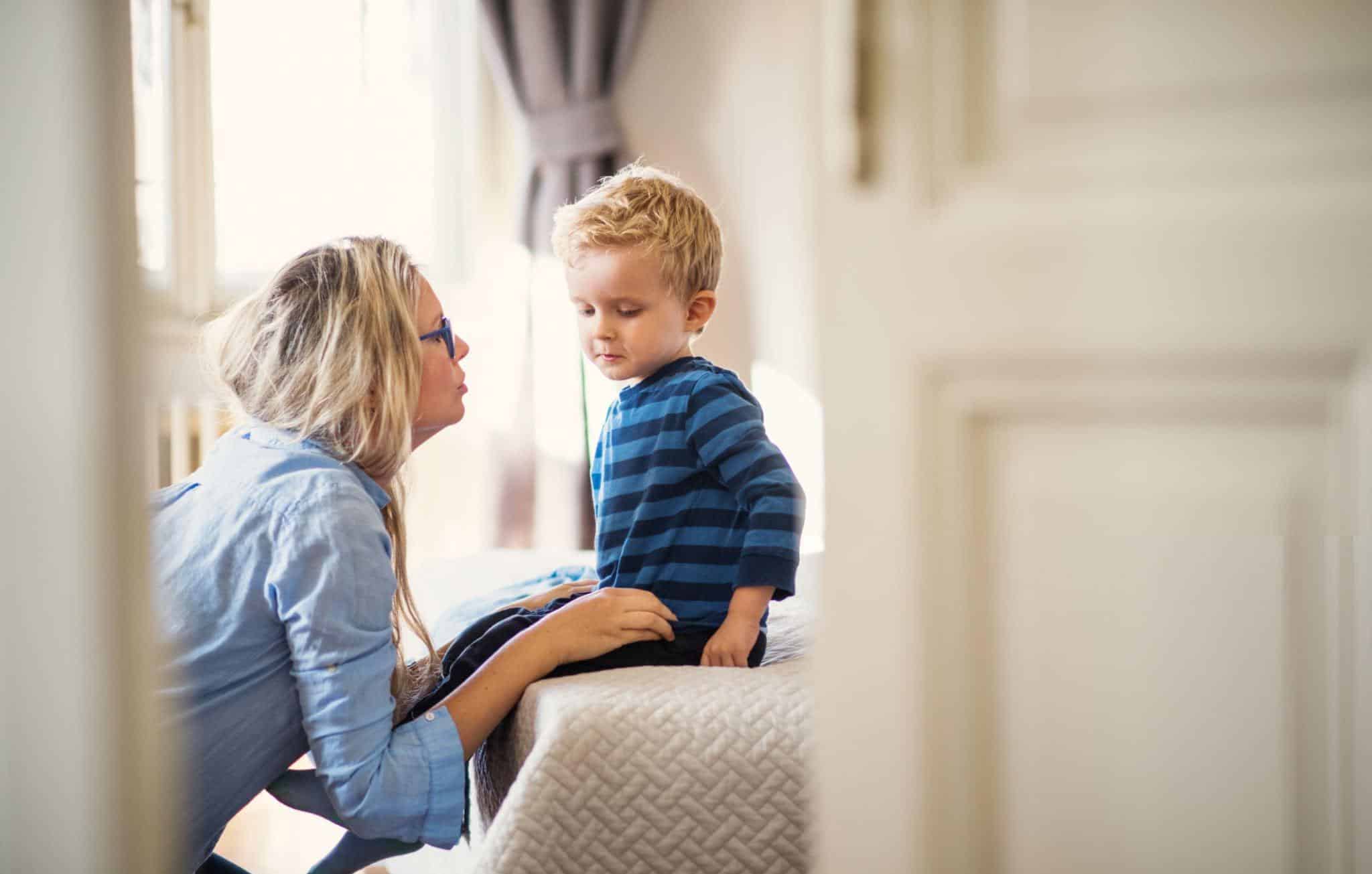
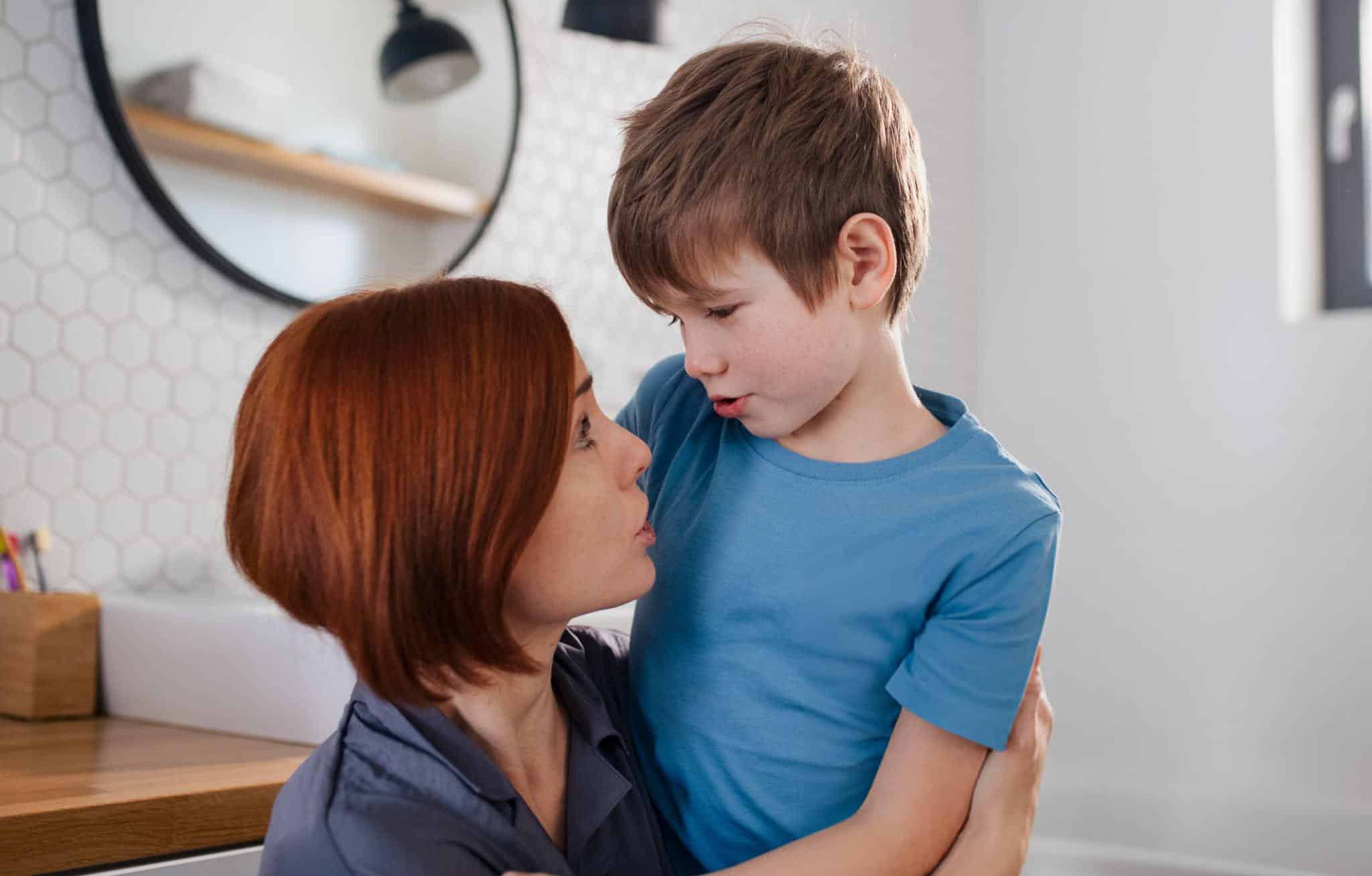
Words alone are not always enough. To truly connect with your child, engage multiple senses.Crouch downto their level, place a loving hand on their arm, make genuine eye contact… then speak.
This physical connection, combined with active listening, creates a much more effective communication channel. A little extra tip? Ask them to rephrase what you just said in their own words. It's bothfun and revealingof what they've actually understood!
Breaking the cycle of infinite repetition
Repeating "Tidy your room" ten times won't make your child more cooperative. On the contrary, they'll learn that the first three requests are negotiable…
Give the instruction clearly, once or twice at most. Then take action:"If the Playmobil figures aren't put away in five minutes, they'll be taking a vacation in the closet until tomorrow."And above all, keep your word! Conversely, when he obeys quickly, praise him:"Wow, you listened the first time, that's impressive!"Positive reinforcementisa powerful motivator.
Transforming listening into a sensory adventure
What if learning to listen became a game? Take a walk together and challenge them to focus: "Can you hear the sound of footsteps on gravel? The chirping of sparrows?" These playful exercises sharpen their listening skills.
Songs are also excellent tools. Listen to their favorite nursery rhymes together and discuss them: "Why does the little rabbit do that? What would happen if...?" It'seducational without seeming like it.
Listening is something that is cultivated in both directions.
Sometimes we are physically present but mentally elsewhere – phone in hand, head in the clouds of housework. Children sense this partial presence.
Give them regular moments of full attention: put down what you're doing, really look at them, listen to their stories (even the umpteenth version of recess). This quality of listening that you offer them will be the best model for them, in turn, to learn to truly hear you.
.webp)
.webp)





.webp)


.webp)


.webp)
.webp)
0 Comments:
Post a Comment