
Cuts, insect bites: the first signs of infection you should never ignore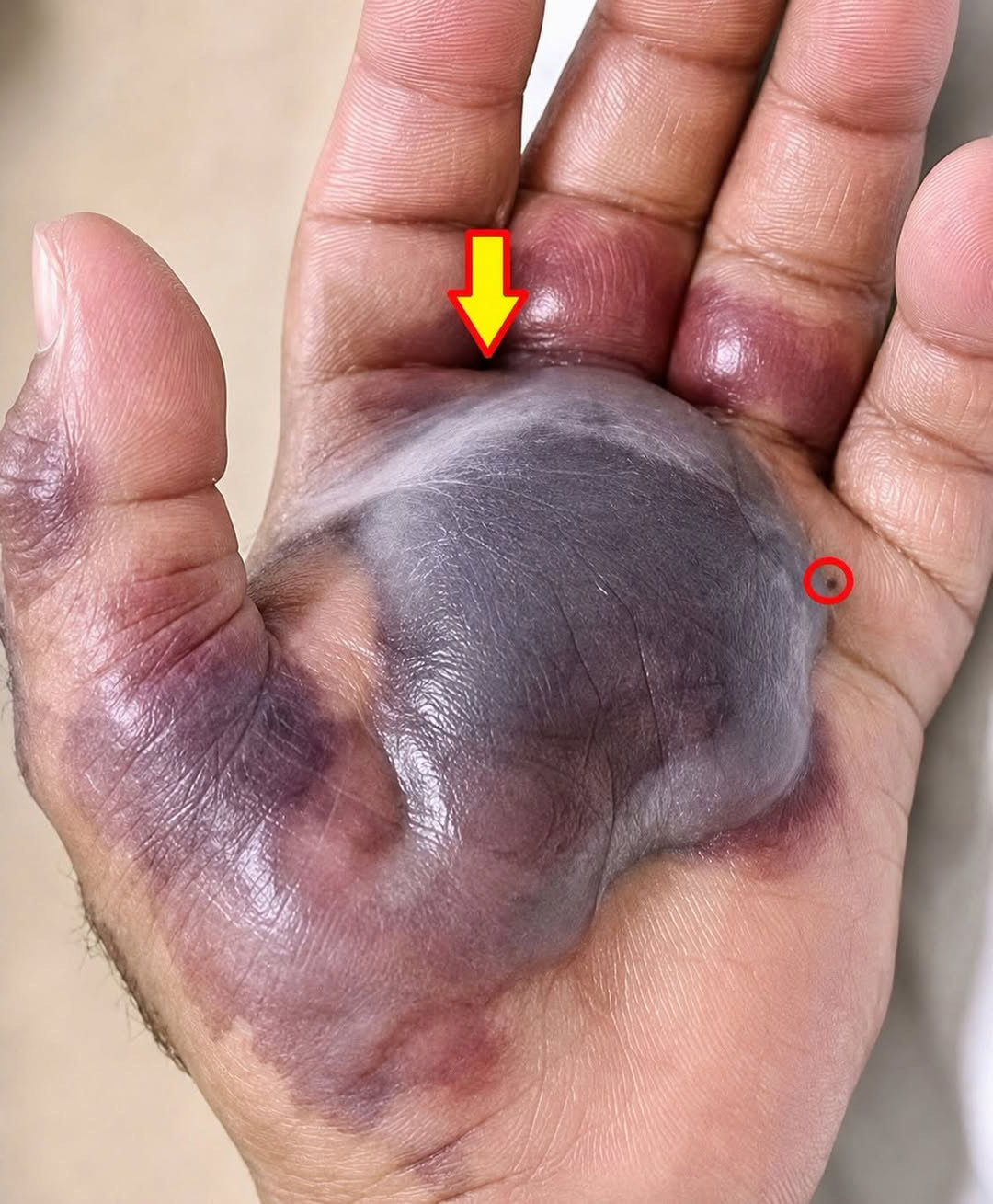
One evening while gardening, a rose thorn. A small scratch, almost nothing. You rinse it, put on a bandage, and move on. And yet, a few days later, the skin is red, swollen, and hot. What seemed like a minor injury can sometimes turn into something much more serious. Here's how to recognize the warning signs in time—because a few minutes of attention can truly make all the difference.
Why a small injury can become a real problem
Our skin acts as a shield every day. It protects our body against bacteria and external agents. But as soon as it is damaged—even slightly—it opens an entry point for microorganisms. A cut, a scratch, an insect bite: any of these can be enough.
Bacteria infiltrate and multiply in the warmth of the tissues, and the immune system reacts with inflammation. If the body is unable to contain the infection, it progresses. Some people are more susceptible: the elderly, diabetics, those taking immunosuppressant drugs, or those suffering from chronic skin conditions.
The 7 warning signs to watch closely
Spreading redness. A little redness around a wound is normal during the healing phase. However, if the redness extends well beyond the initial injury or if a red streak travels up a finger or arm, consult a doctor immediately.
The pain is intensifying. Slight discomfort is expected. But if the pain increases instead of decreasing, if it becomes stabbing or deep, it's a clear sign that something is wrong.
The swelling is getting worse. A little edema is part of the natural process. But swelling that spreads and intensifies after two or three days deserves attention.
Persistent heat. An infected area often feels warm to the touch. This is a sign that the body is sending blood to fight the bacteria. If this heat spreads, take it seriously.
Fever or sudden fatigue. A temperature above 38°C after an injury, chills, unexplained fatigue: these are signs that the infection is beginning to spread beyond the local stage.
A suspicious discharge. A clear fluid can be perfectly normal. However, a thick, yellowish, greenish, or foul-smelling discharge clearly indicates the presence of an infection.
A wound that won't heal. Most minor injuries begin to heal within two to three days. If yours is stalled or worsening, it's time to see your doctor.
The right steps to take to care for an injury
For a minor cut: gently wash with mild soap and water, dry, apply an antiseptic cream, and cover with a clean bandage. Change it daily. Above all, do not touch any scabs.
For an insect bite: clean, apply cold to limit swelling, avoid scratching (it weakens the skin and promotes infection), and use a soothing cream if needed.
If you notice any of the signs mentioned above, draw a line with a pen around the redness to track its progress, and call your doctor. Never try to lance or drain an infected wound yourself.
Your skin deserves as much care as the rest of you — a little attention today is a big relief tomorrow.

0 Comments:
Post a Comment