.webp)
Covid-19 vaccine: these rare side effects could last for several years
You thought you were safe after your vaccination, but strange symptoms have surfaced: overwhelming fatigue, brain fog, sleepless nights. While these cases remain exceptional, they are now prompting scientists to explore a new avenue: that of a post-vaccination syndrome linked to mRNA injections.
Imagine receiving an injection designed to protect you against the virus. Yet, a few days later, unexpected symptoms emerge: extreme fatigue, difficulty concentrating, persistent insomnia. Although rare, these manifestations have prompted researchers to investigate the possibility of a new condition, potentially linked to mRNA vaccines against Covid-19.

Post-vaccination syndrome: a medical enigma
Recently, scientists at Yale University identified an emerging condition called post-vaccination syndrome (PVS). This disorder manifests with a range of symptoms, including brain fog (difficulty concentrating and memory loss), exercise intolerance (excessive fatigue after moderate activity), persistent insomnia, heart palpitations, tinnitus (ringing or buzzing in the ears), and numbness and burning sensations, especially in the extremities. These signs typically appear in the days following vaccination and can persist for a long time.
What scientific analyses reveal
The Yale team examined blood samples from 42 people experiencing these post-vaccination symptoms and compared them to those of 22 individuals who did not experience such effects. The results show immunological abnormalities in patients with post-vaccination syndrome (PVS), including: a decrease in certain white blood cells, suggesting a possible alteration in the immune response; a prolonged presence of the SARS-CoV-2 spike protein (this protein, used by the virus to infect cells, was detected in high quantities in some patients, indicating unusual persistence in the body); and reactivation of the Epstein-Barr virus (EBV), responsible for infectious mononucleosis. This virus, normally latent, could be reactivated, suggesting that vaccination, in very rare cases, disrupts the immune balance.

A rare but now recognized phenomenon
Although SPV appears to affect only a minority of vaccinated individuals, its recognition is crucial for providing appropriate care. Dr. Akiko Iwasaki, an immunologist at Yale, emphasizes the need for continued research to better understand this condition and develop effective treatment strategies.
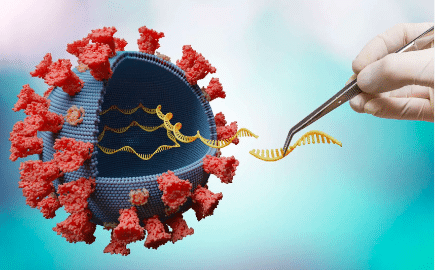
mRNA vaccines under scrutiny
mRNA vaccines, such as those from Pfizer-BioNTech and Moderna, have played a key role in the fight against the Covid-19 pandemic. However, like any medical treatment, they can cause side effects. In addition to pulmonary inflammatory syndrome (PISS), rare cases of myocarditis (inflammation of the heart muscle) have been reported, primarily in young men after the second dose. Studies indicate, however, that these post-vaccination myocarditis cases are generally less severe than those caused by direct SARS-CoV-2 infection.
Transparency and vigilance: the keys to trust
The emergence of post-vaccination syndrome (PSV) underscores the importance of ongoing monitoring of vaccine-related side effects. It also highlights the need for transparent communication about potential risks to maintain public trust in vaccination campaigns. While post-vaccination syndrome is a reality for some individuals, it remains a rare condition. The benefits of mRNA vaccines against COVID-19—in terms of preventing severe illness and reducing mortality—far outweigh any potential risks. However, recognizing and thoroughly investigating these rare side effects is essential to strengthening vaccine safety and providing appropriate support to those affected.

0 Comments:
Post a Comment