%20(1).webp)
These 10 everyday foods can be deadly if consumed without caution.
Your refrigerator and pantry may contain ingredients that, if improperly prepared or consumed by sensitive individuals, can become highly toxic. Every year, hundreds of lives are lost to seemingly harmless foods. Discover now the most deceptive foods on our plates and simple steps to safely handle them.
There are foods that delight our taste buds, and others that can seriously compromise our health. Hard to imagine? Yet, some seemingly harmless foods can become deadly poisons when improperly prepared or consumed by vulnerable individuals. Curious? Here's an overview of some of the most perilous foods on the planet, to be enjoyed with extreme caution.

Cassava: a vital tuber, but a hidden danger
A staple food for nearly 800 million people, primarily in Africa, Asia, and Latin America, cassava is a lifeline. Drought-resistant, rich in carbohydrates, and easy to cultivate, it is a nutritional powerhouse. Yet, it harbors a worrying dark side: its roots and leaves contain compounds that can release cyanide if not processed properly. Consumed raw or improperly prepared, this tuber can cause severe poisoning, ranging from paralysis to death. It is estimated that 200 deaths are attributed to it each year. The solution? Always soak, ferment, dry, or boil it.
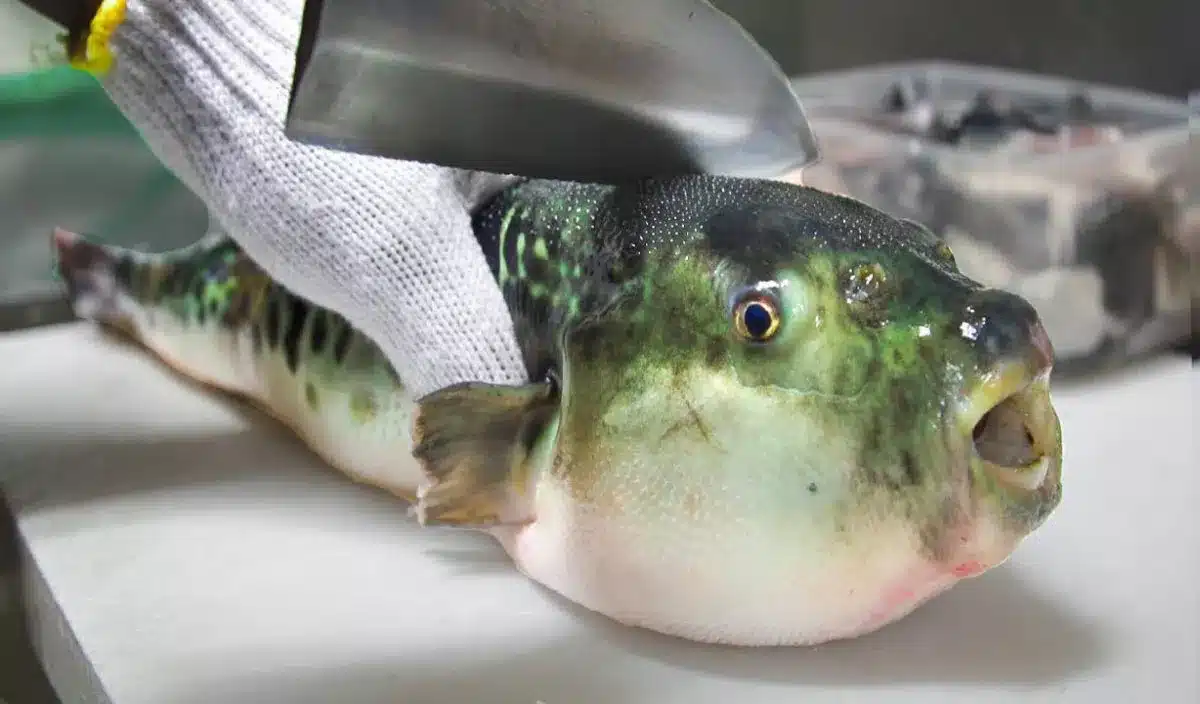
Fugu: a gastronomic thrill
In Japan, eating fugu, the extremely toxic pufferfish, is akin to a ritual. Its flesh is a delicacy, but if improperly prepared, it becomes a deadly poison, more than 200 times more potent than cyanide. This is not fiction: paralysis, then death, can occur within hours. Fortunately, only highly qualified chefs are authorized to serve it. And if you feel a slight tingling on your tongue… it's not necessarily a coincidence!
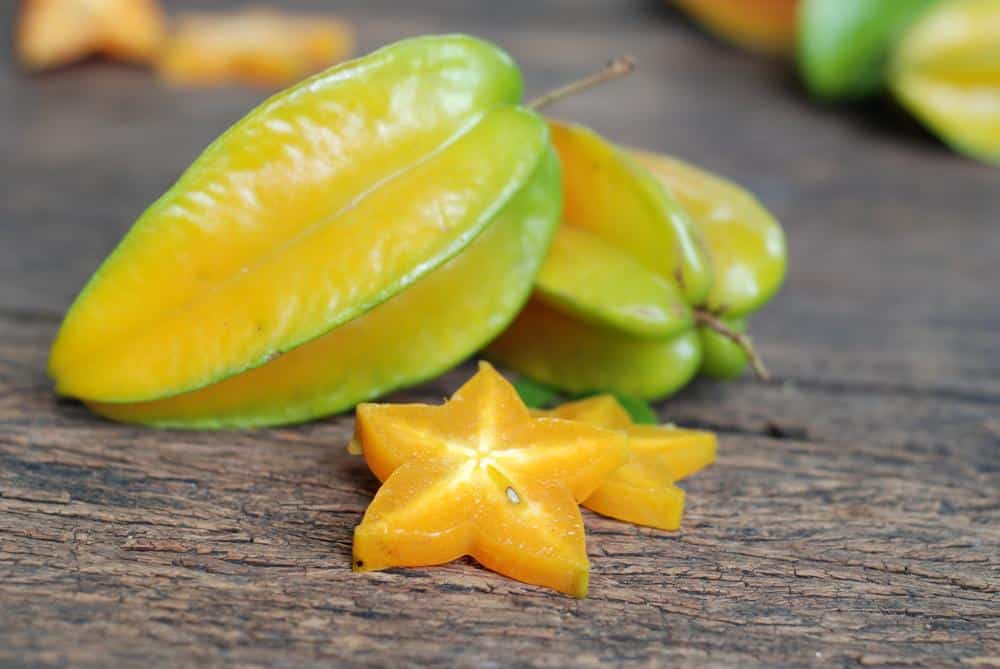
The star fruit: a star with two faces
Despite its harmless appearance, star fruit can be fatal for people with kidney disease. This fruit, as pretty as it is tasty, contains a neurotoxin capable of causing serious neurological problems. For those with fragile kidneys, even a small portion can be enough to trigger persistent hiccups, confusion, or even a coma.

Kernels and seeds: treats to be handled with care
Cherry pits and apple seeds are not as harmless as they seem. When chewed or crushed, they release amygdalin, a substance that can be converted into cyanide in our bodies. It's therefore better to throw them away than to swallow them.

Green potatoes: beware of solanine
It's often overlooked, but a potato that turns green in sunlight can produce solanine, a potentially toxic substance. The effects can range from simple nausea to coma. The best course of action? Peel potatoes carefully and avoid any that have a greenish tint.
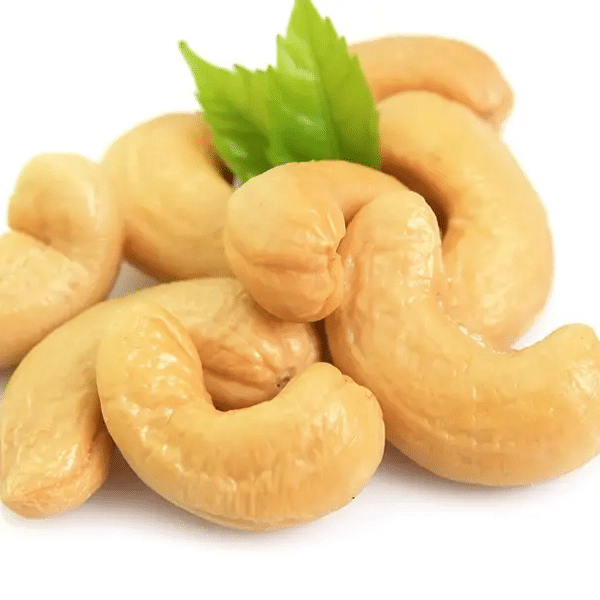
Raw cashew nuts: false friends
Commercially sold cashews are always heat-treated. In their raw state, they contain urushiol, a highly irritating substance also found in poison ivy. Eating them raw can cause redness, itching… and potentially much worse.

Nutmeg: spice or hallucinogen?
Nutmeg adds a fragrant touch to our gratins and desserts. But in high doses (about two teaspoons), it transforms into a mild drug with formidable effects: hallucinations, nausea, and neurological disturbances that can last for several days. Use with caution!

Wild mushrooms: don't play the apprentice sorcerer
Every autumn in France, mushroom hunters end up in the emergency room after mistaking an edible mushroom for a poisonous one. The infamous "death mushroom," responsible for the death of Pope Clement VII, is visually deceptive. Unless you're an expert, it's best to stick to those bought at the supermarket.

Rhubarb: green for the stalks, red for the leaves
While the stalks are perfect for jams, rhubarb leaves contain oxalic acid, a poison that can cause serious kidney problems. Do not cook them under any circumstances: they must go straight into the compost.

Red beans: cooking is mandatory
A handful of raw or undercooked kidney beans can be enough to cause violent vomiting. The culprit? Phytohemagglutinin. To protect yourself, it is essential to boil them thoroughly for at least 10 minutes.
Conclusion: Caution is key when it comes to what you eat.
Our daily diet holds many surprises. While some foods are dangerous, they are still perfectly safe to eat as long as certain rules are followed. So, before embarking on any culinary adventures, it's best to be informed. Have you ever tasted one of these risky dishes? Share your experience!

.webp)


.webp)


0 Comments:
Post a Comment