How many years will you share with your dog? Their lifespan varies by breed.
How many years will you share with your dog? Their lifespan varies by breed.
Adopting a dog means committing to many years of affection and playtime. But did you know that your furry friend's lifespan depends in part on its breed? Discover how to make the most of these precious years together.
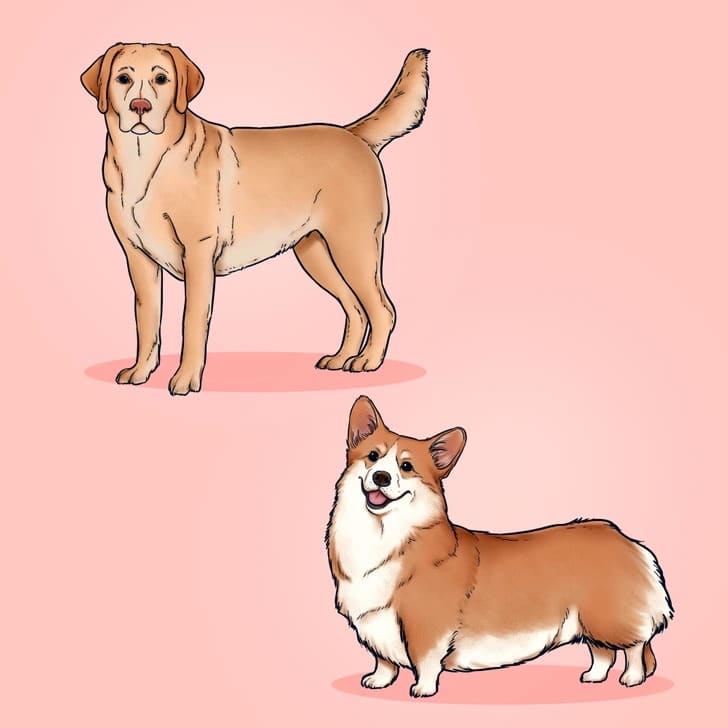
Does the size of the dog play a role in its life expectancy?
Contrary to what is observed in other species, small dogs often have a longer lifespan than their larger counterparts. Several hypotheses explain this phenomenon: accelerated aging and a predisposition to age-related diseases in large dogs.
Miniature breeds: life expectancy of12 to 18 years, or even more
Average dogs: approximately10 to 13 years old
Large breeds: generally between8 and 12 years old
Top 10 most resilient dog breeds
Some breeds stand out for their exceptional lifespan:
Chihuahua: 14 to 20 years old
Yorkshire: 16 to 20 years old
Dachshund: 14 to 20 years old
Miniature Poodle: 14 to 20 years
Cockapoo(Cocker Spaniel/Poodle mix): 12 to 18 years old
Jack Russell: 13 to 16 years old
Lhasa Apso: 14 to 20 years old
Pomeranian: 12 to 16 years old
Collie: 12 to 16 years old
Havanese Bichon: 14 to 16 years old
Which breeds have a reduced life expectancy?
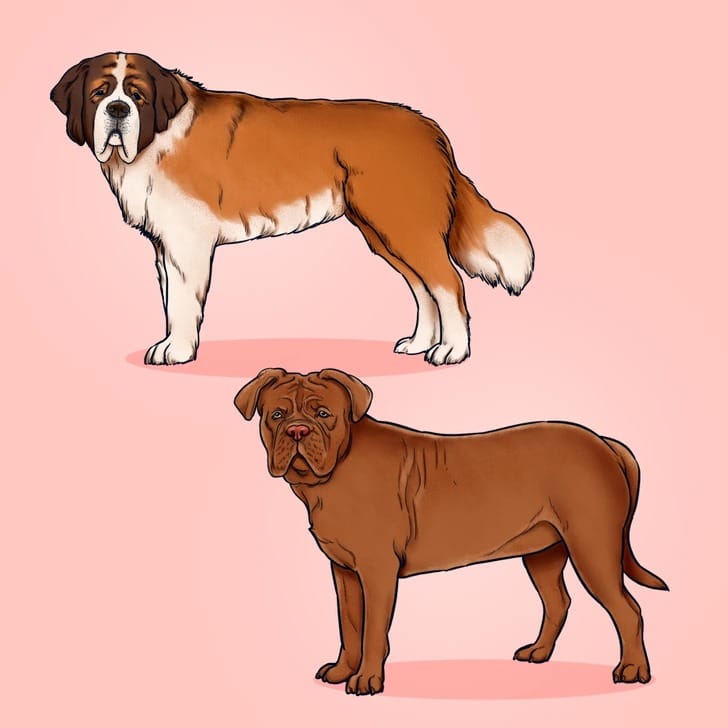
Large dogs often have a shorter lifespan:
Bordeaux Mastiff: 5 to 8 years old
Great Dane: 6 to 8 years old
Bernese Mountain Dog: 6 to 8 years old
Irish Wolfhound: 6 to 10 years old
Saint Bernard: 8 to 10 years old
Neapolitan Mastiff: 7 to 9 years old
Newfoundland: 8 to 10 years
These figures should not discourage you: with proper care, these companions can live their lives to the fullest.
4 keys to prolonging your pet's life
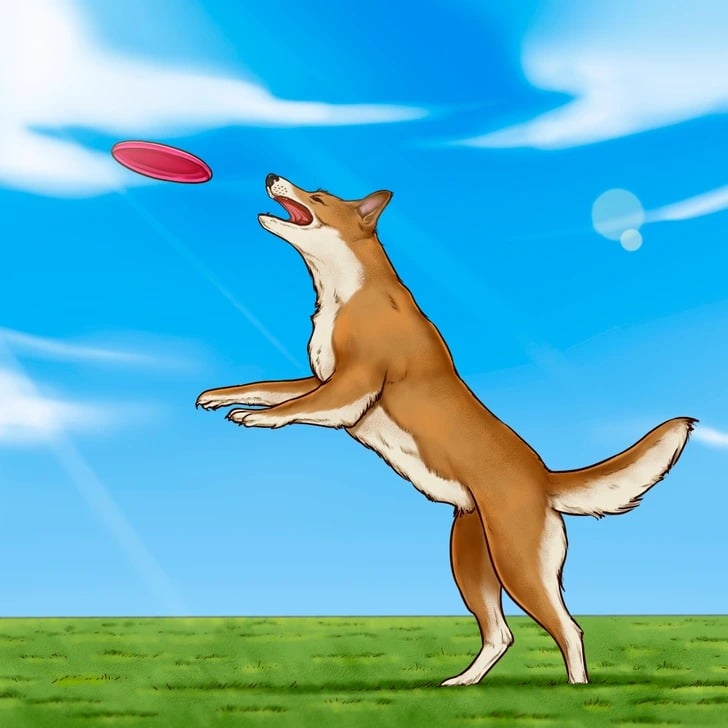
Customized physical exercise
The activity level must be adapted to the breed: an Australian Shepherd will not have the same needs as a Pug.Interactive games, varied walks, and periods of freedom in a secure areaare essential for their well-being.
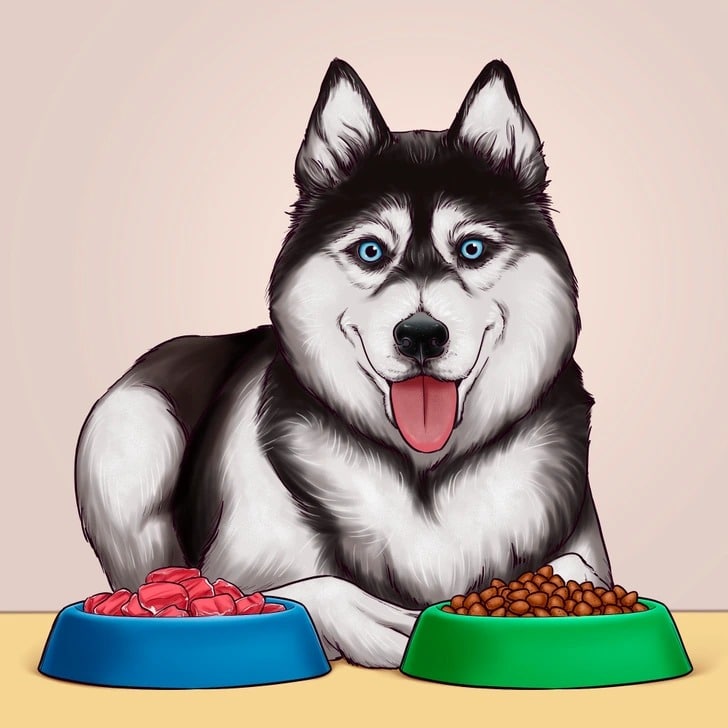
Optimal nutrition
A balanced diet is based on:
Premium protein sources
An appropriate vitamin intake
Controlled portions to avoid weight gain
Canine obesity significantly reduces life expectancy!
Preventive medical monitoring
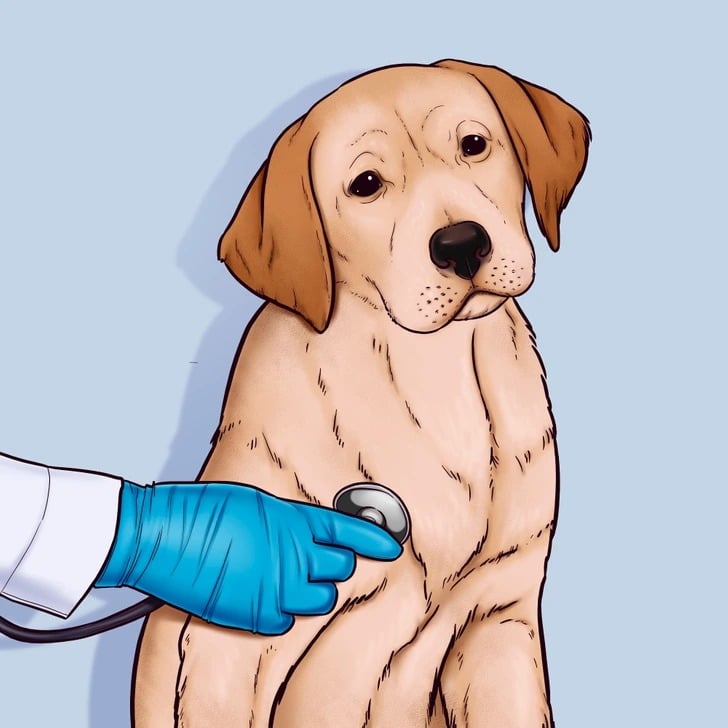
An annual visit to the veterinarian allows you to:
Keep your vaccinations up to date
Monitor dental health
Detecting potential problems early
Impeccable hygiene
Regular grooming, ear cleaning, and teeth brushingprevent many health problems. Remember to alsoregularly disinfect your pet's accessories(toys, bedding, food and water bowls).
Recognizing the signs of aging
Signs of an older dog include:
Diminished vision
Joint stiffness
Decline in interest in activities
Longer sleep
Need to urinate more frequently
Appearance of lipomas (benign fatty lumps)
Crossbreeds vs. purebreds: what impact?
Mixed-breed animals often benefit from a longer lifespan thanks to their genetic diversity, which reduces the risk of hereditary diseases.
In conclusion: your commitment makes a difference
Regardless of breed, your constant attention is the best guarantee of its longevity. A healthy lifestyle, attentive care, and plenty of affection are the ideal recipe.
Share your four-legged friend's breed in the comments!
.webp)
.webp)











.webp)


.webp)


.webp)
.webp)
0 Comments:
Post a Comment