A saga of genius in the face of the rigors of frost
A saga of genius in the face of the rigors of frost
Throughout history, humanity has displayed unparalleled ingenuity in resisting the onslaught of cold. Discover how treasures of ingenuity and beauty emerged, testaments to timeless creativity, in a captivating narrative.
Hand warmers, simple yet ingenious tools, have been a part of human life for centuries. From antiquity to the present day, these devices have evolved to meet an essential need: protection from the cold. Today, these historical objects appeal to retro enthusiasts thanks to their captivating history and timeless usefulness.
The beginnings: ways to warm your hands
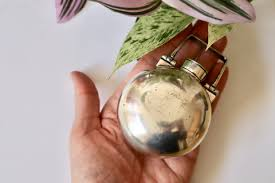
The earliest versions of hand warmers date back to antiquity, when people sought solutions to combat the intense cold. In China and Japan, containers filled with burning coals were used as portable hand warmers. Made of clay or metal, these ingenious objects were both practical and easy to carry.
The era of metal hand warmers
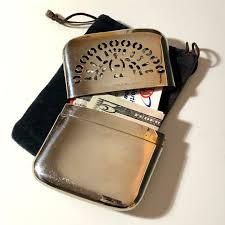
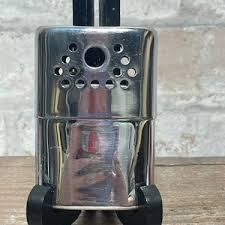
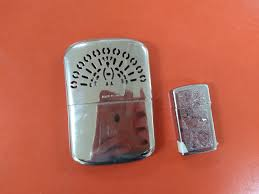
In the 19th century, metal hand warmers became popular. Made of steel or brass, they had a perforated shell for even heat distribution. Inside, charcoal sticks or other solid fuels provided continuous and lasting warmth.
With the advent of industrialization, several patents were filed to improve the efficiency and safety of hand warmers. These advances made these devices indispensable, particularly in regions with harsh climates.
The advances of the 20th century
The 20th century marked a turning point in the evolution of hand warmers. Catalytic models, introduced in the 1920s, used a platinum catalyst to generate heat without a flame. This innovation made them safer and more popular with a wide range of users: soldiers, outdoor enthusiasts, and anyone looking for a reliable source of heat.
Practical and military use
An everyday accessory
In cold environments, hand warmers were essential accessories for braving the outdoors. Slipped into a pocket or glove, they provided comforting warmth to workers, hunters, and winter sports enthusiasts. Their portability and ease of use made them invaluable allies in harsh winter conditions.
Military use
During the First and Second World Wars, hand warmers were widely used by soldiers deployed in icy areas. Their constant warmth allowed them to maintain the agility needed to handle weapons and equipment, a crucial necessity in hostile environments.
Prized collectibles
Today, retro hand warmers have become highly sought-after pieces for their unique design and historical significance. Their meticulous craftsmanship and lasting usefulness make them relics of an era when functionality and aesthetics were inseparable.
For some, they evoke nostalgia for the past; for others, they represent human ingenuity in the face of climate challenges.
An environmentally and culturally respectful choice
In a context where sustainability is valued, retro hand warmers appeal because of their reusability. Unlike contemporary disposable models, they often used renewable fuels. Their longevity and low environmental impact make them objects that align with current ecological concerns.
Furthermore, these devices have a strong cultural dimension. In Japan, for example, kairo remains a traditional symbol of winter, reflecting simplicity and resilience in the face of the cold.
Retro hand warmers are more than just functional. They embody timeless creativity and connect us to a rich history of innovation and adaptation. Whether collected or used, they continue to inspire, offering warmth and nostalgia, and perpetuating a craftsmanship from another era.






.webp)


.webp)


.webp)
0 Comments:
Post a Comment