The truth about the thigh gap: what science really says
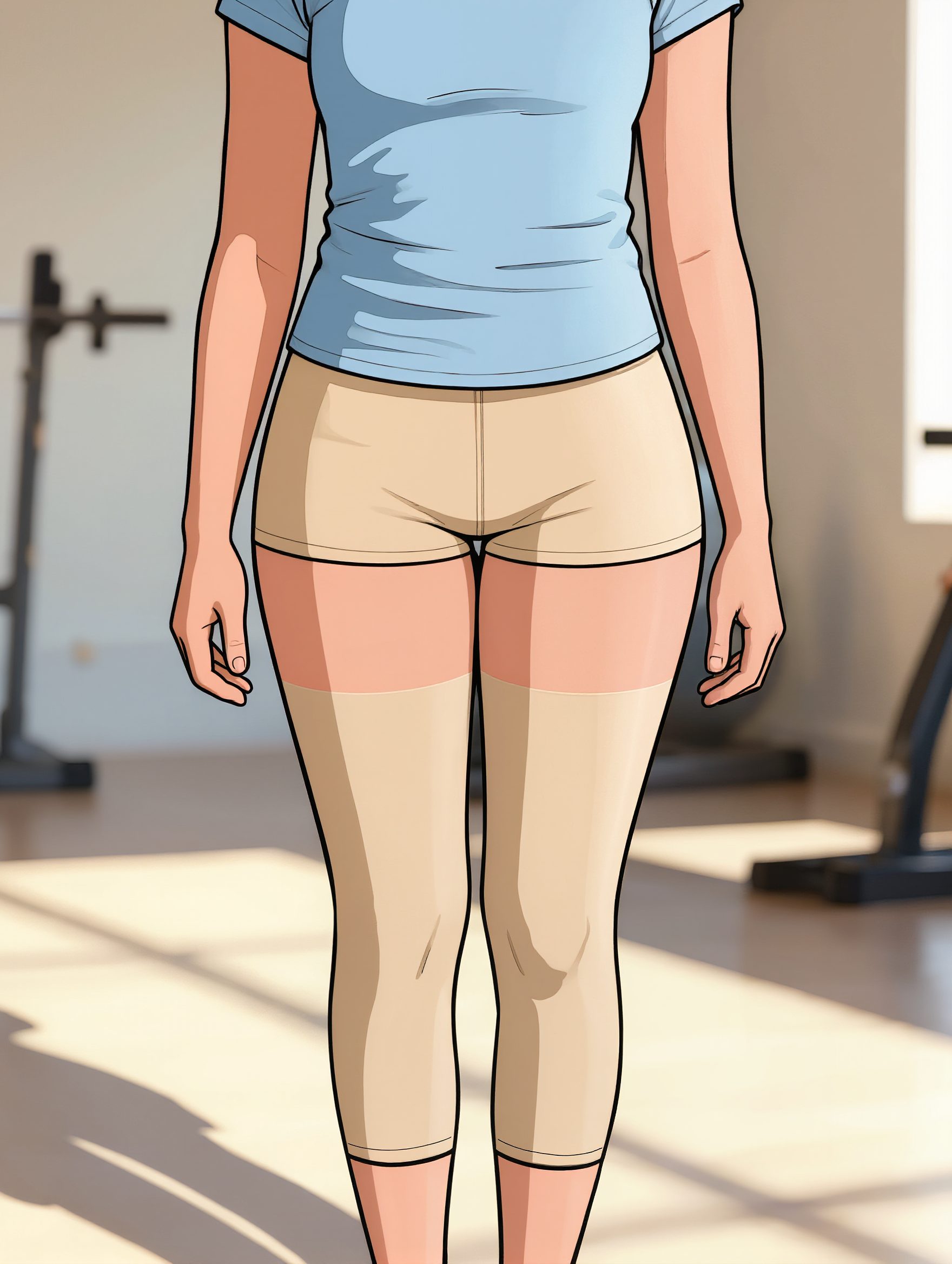
On social media, the "thigh gap" is often presented as an aesthetic ideal. However, science shows that it depends primarily on body shape, not lifestyle.
A few minutes on social media is all it takes to stumble upon the infamous "thigh gap," often presented as an aesthetic ideal. But behind this highly publicized image lies a very different, and above all, much more nuanced reality. What if this physical detail ultimately had nothing to do with physical fitness or even lifestyle? Science is providing some surprising answers.
Thigh gap: primarily a matter of body shape
One might think that this space between the thighs simply depends on weight or physical activity, but in reality, this isn't the main factor. What plays the biggest role is the body's natural morphology.
The width of the pelvis, the orientation of the leg bones, the natural distribution of muscles, and even how the body stores fat are largely determined by genetics. In other words, some people will naturally have a gap between their thighs, while others will not, even if they are in good physical condition.
It's a bit like hand size or shoulder shape: you can build muscle, move around, take care of yourself, but the basic structure remains the same.
Losing weight doesn't always change the shape of your thighs.
Many people think that this gap appears automatically when you slim down. However, this is not always the case.
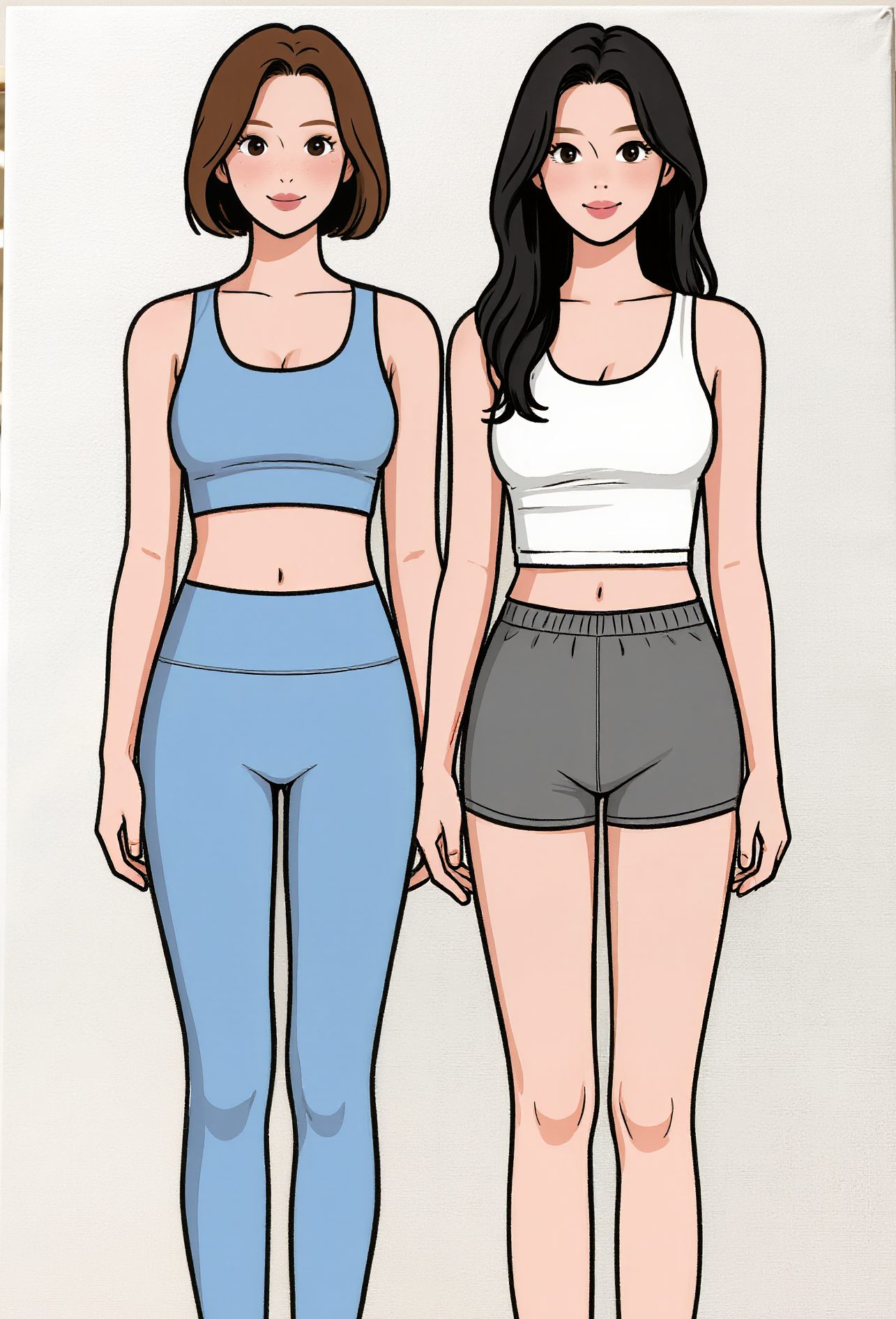
You can be slim, athletic, and active, and still have thighs that touch simply because your bone structure naturally brings your legs together. Conversely, some people can have a slight gap between their thighs without being particularly slim.
This clearly demonstrates one important point: this physical detail is not a reliable indicator of physical condition or well-being.
Social media: beware of misleading images
The thigh gap has become so popular largely due to images circulating online for several years. But what's often forgotten is that many of these photos are influenced by:
the posture
the angle of the photo
lighting
the choice of pose
sometimes photo retouching
As a result, we often compare our bodies to images that do not reflect the reality of everyday life.
This can create unrealistic expectations, whereas body diversity is totally normal.
Why thighs touch (and why that's normal)
In many people, the thighs touch simply because the human body is designed for efficient walking, running, and movement. The natural alignment of the legs often brings the thighs closer together, especially when the pelvis is slightly wider.
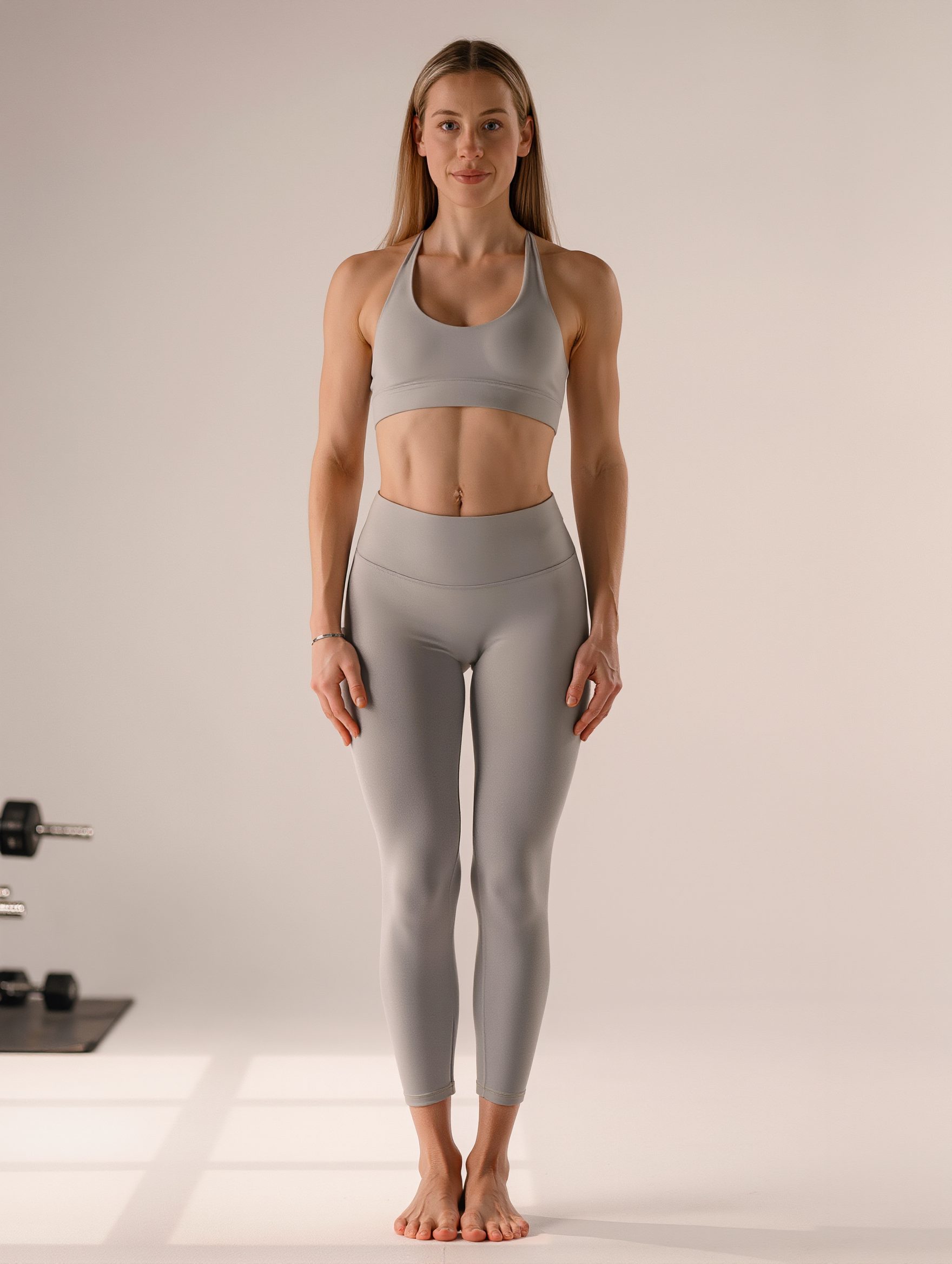
This is actually very common among women, but also among many athletes such as runners, dancers, and fitness enthusiasts. Well-developed inner thigh muscles can also cause the thighs to touch, even in individuals with excellent physical condition.
In other words: thighs that touch do not mean a lack of shape at all.
Health is not measured by a physical detail
Wellness experts agree on one point: physical fitness isn't judged by the appearance of a body part. What really matters are daily lifestyle habits.
move regularly
eat a balanced diet
sleep well
managing stress
maintain muscle strength
taking care of one's mental balance
These elements are far more important than any aesthetic trend.
Today, more and more experts are encouraging us to focus on what the body can do: walk for long periods, carry things, run, dance, be fit, have energy… rather than on its appearance.
Learning to accept the diversity of bodies
The human body exists in an infinite number of different forms, and that is precisely what makes it so rich. Some people have wide hips, others have broad shoulders, some gain muscle easily, others do not… and all of this is perfectly normal.
The thigh gap is therefore neither a universal goal nor a symbol of shape or beauty. It is simply one physical characteristic among others.
Understanding this often allows you to take a gentler look at your body and focus on what's essential: feeling good, strong, fit, and comfortable in your own skin.
The most important thing is not to look like a trend, but to build a healthy body in which you feel good every day, accepting your natural morphology .
%20(1).webp)
%20(1).webp)






.webp)


.webp)


.webp)

0 Comments:
Post a Comment