Nostradamus made four chilling predictions for 2026 – including the death of a major celebrity
A new year usually rhymes with hope and plans. Yet, some look instead to prophecies. Nostradamus, the famous 16th-century astrologer, continues to fascinate, and his alleged predictions for 2026 still fuel speculation.
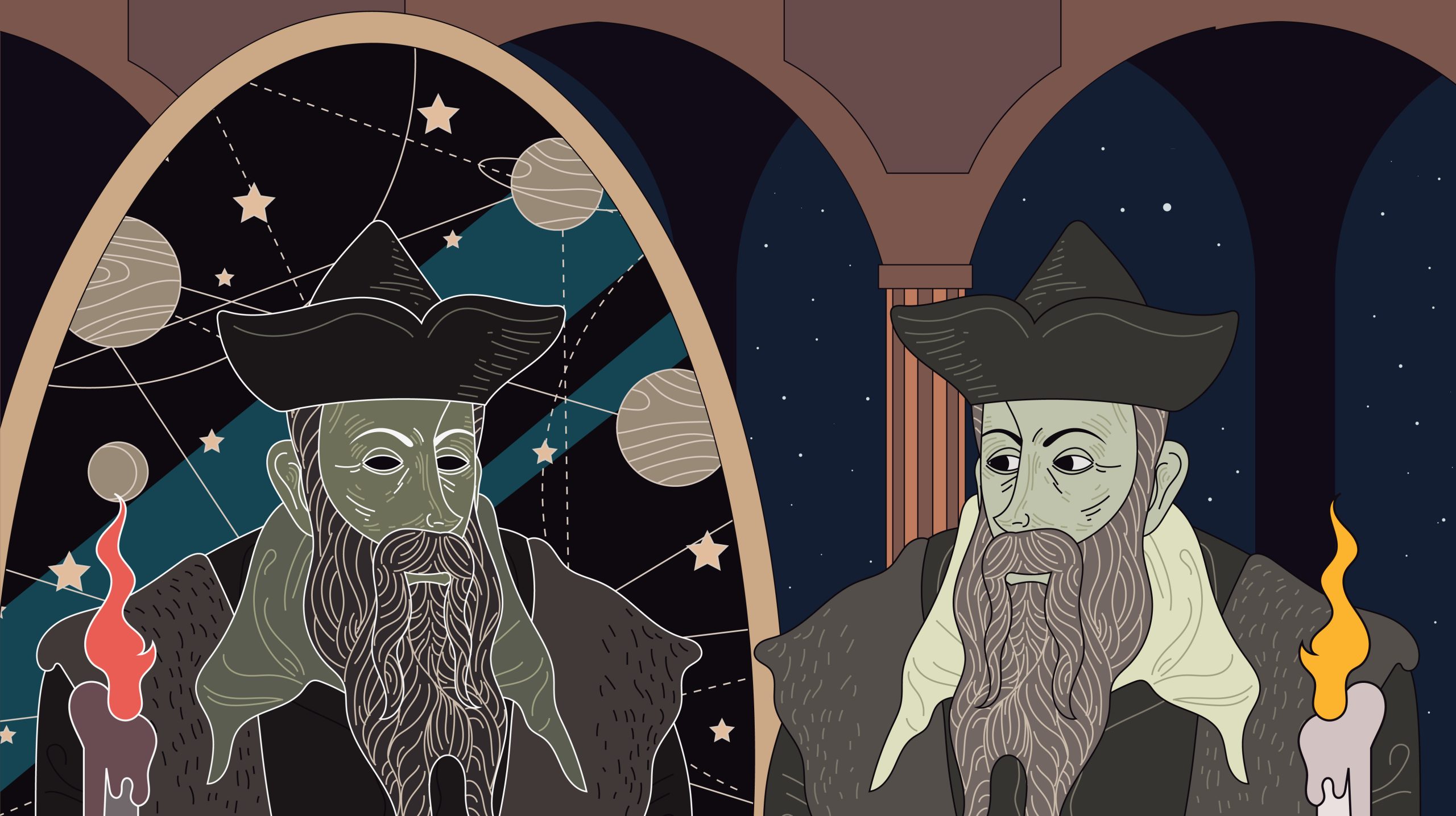
Every new year brings its share of resolutions, hopes, and new projects. Yet, some prefer to look to… prophecies. And when it comes to predictions, one name always comes up: Nostradamus. The 16th-century French astrologer still fascinates today, as many believe he predicted numerous historical events. For 2026, several interpretations of his writings are circulating, and some are particularly unsettling.
So, should we really be worried or simply take these predictions as a historical curiosity? Let's take a closer look.
Who was Nostradamus really?
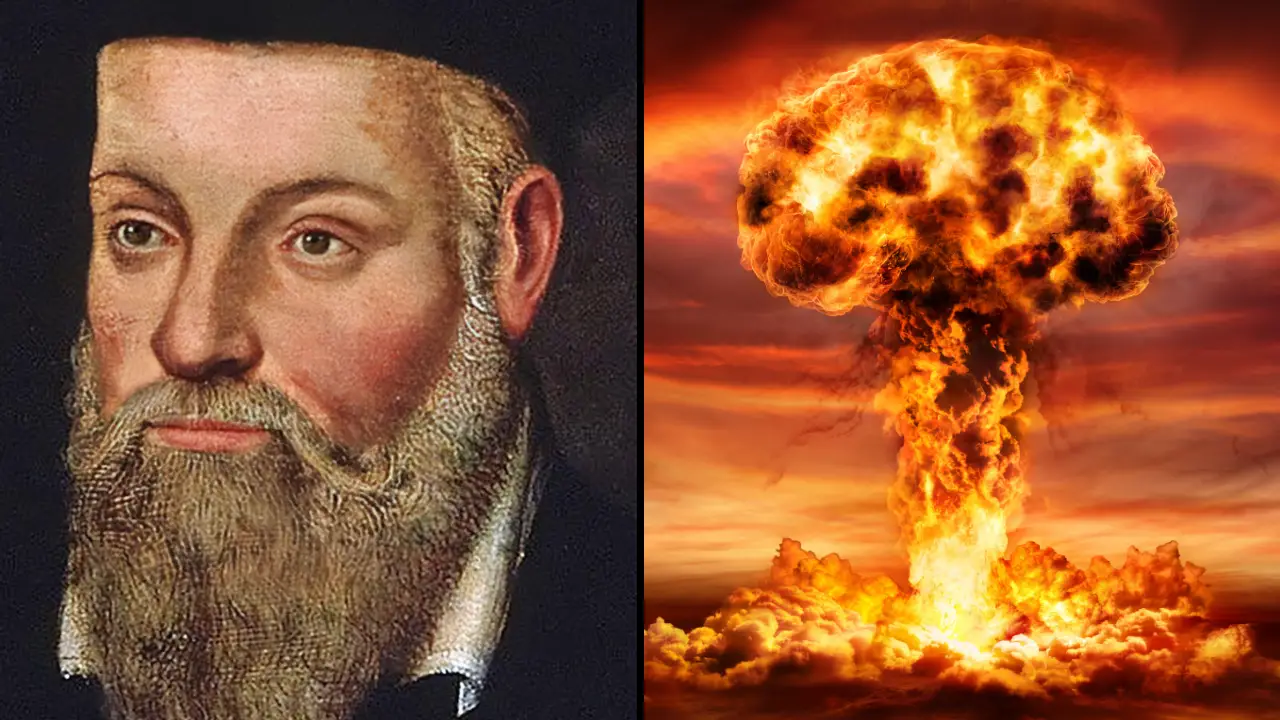
Nostradamus, whose real name was Michel de Nostredame, was a French physician and astrologer born in 1503. He is best known for his book The Prophecies , published in 1555. This work contains hundreds of short texts, written in the form of quatrains (four-line poems), often very difficult to understand.
His texts are deliberately vague, filled with metaphors, symbols, and Old French, allowing for many different interpretations. This is why, centuries later, some people believe he predicted various historical events.
First prediction: a major global upheaval
According to some interpretations, Nostradamus referred to a period of great international unrest. In his writings, he speaks of conflicts, tensions, and unstable situations between different regions of the world.
Some interpreters believe this could correspond to political, economic, or technological tensions between major powers. Others see it simply as a general description of the world, as each era experiences its own tensions.
That's the whole difficulty with Nostradamus' texts: they are vague enough to correspond to many different situations.
The mysterious story of the "bees"
Another prophecy speaks of a "great swarm of bees" and an unexpected attack. Some believe the bees symbolize leaders, powerful groups, or alliances between countries.
Other interpretations suggest natural phenomena, environmental changes, or symbols representing crowds or popular movements.
Again, it all depends on how you interpret the texts.
A prediction linked to Europe
Another prophecy mentions a European region that will be affected by serious events. Some interpreters have linked this to conflicts or political tensions in Europe.
But it must be remembered that for centuries, Europe has experienced many periods of conflict, which makes these interpretations very subjective.
Many historians explain that Nostradamus's texts are often interpreted after the events, not before. This leads to seemingly impressive correspondences, which are sometimes simply coincidences.
The death of an important figure?
One of the most widely circulated predictions speaks of the sudden death of a "great man" struck down in broad daylight. Some believe it could be a celebrity, a leader, or an influential figure.
But this type of prediction remains very vague. Every year, well-known figures pass away, making it easy to link this prophecy to a real event.
This is why many specialists remain very skeptical of Nostradamus' predictions .
Should we really believe in prophecies?
What makes Nostradamus fascinating is not necessarily that he predicted the future, but rather that his texts continue to be interpreted 500 years later.
Some firmly believe in him, while others think it's simply symbolic poetry adapted to modern events. The truth probably lies somewhere in between: his writings are mysterious, open to interpretation, and this is precisely what maintains the mystery surrounding Nostradamus's prophecies .
Ultimately, prophecies often speak more about our fears and hopes than about the future itself.
And ultimately, the best way to know the future is still to build it yourself.
.webp)
.webp)







0 Comments:
Post a Comment