If your eggs have a green ring around the yolk, it means that… See more
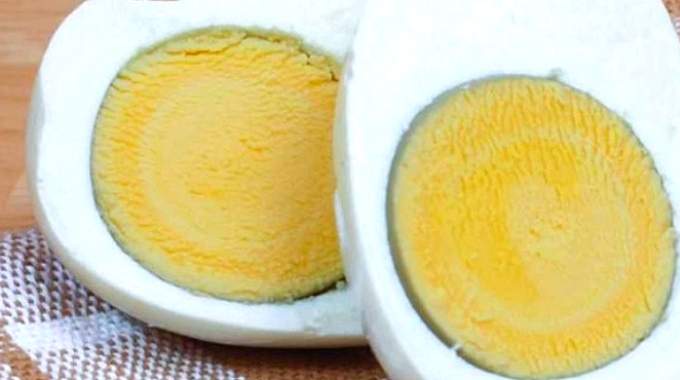
What does the green circle around the eggs mean?
Do you think you've ruined your hard-boiled eggs by discovering a greenish ring around the yolk? Rest assured: this common phenomenon is harmless and is simply explained by the cooking process.
You're preparing a salad or a picnic, everything seems perfect… until you cut into your hard-boiled eggs. Surprise: a strange greenish ring surrounds the yolk. Not very appealing, let's be honest! Should you be worried? Is it a sign that your eggs are no longer good? Or have you simply overcooked them without realizing it? Rest assured, this small detail actually hides a much simpler explanation than it seems…
Why does a green circle appear around the egg yolk?
This is often the moment of doubt: that greenish ring can seem suspicious. However, it's neither a question of freshness nor any particular problem. This phenomenon is simply related to cooking.
When an egg is exposed to heat for too long, a natural reaction occurs between the elements in the white and the yolk. The result: this thin greenish layer appears around the yolk.
Good news: this doesn't affect the taste or overall quality of the egg. It's purely visual… but we can all agree, we prefer a bright, clear yolk!
The real problem: poorly controlled cooking.
If this ring appears, it's usually because the egg has been cooked for too long or at too high a temperature. Much like overcooked pasta, the result loses quality.
Many people think they're doing the right thing by boiling it for a long time, but that's precisely where the trap closes. Overcooking alters the texture and appearance of the yolk.
Fortunately, a few adjustments are all it takes to avoid this inconvenience and achieve a result worthy of the finest dishes.
The simple method for perfect hard-boiled eggs
You don't need to be a Michelin-starred chef to make perfect hard-boiled eggs every time. Here's an easy technique to adopt:
Start by plunging your eggs into a saucepan of cold water.
Bring to a boil, then turn off the heat as soon as the water simmers.
Cover the pan to retain the heat, then let the eggs sit in the hot water for 9 to 12 minutes depending on their size.
This resting time allows for gentle and even cooking, without overcooking.
Next, a key step: immediately plunge the eggs into a bowl of very cold water (ideally with ice cubes). This thermal shock stops the cooking instantly and makes peeling easier while preserving the beautiful color of the yolk.
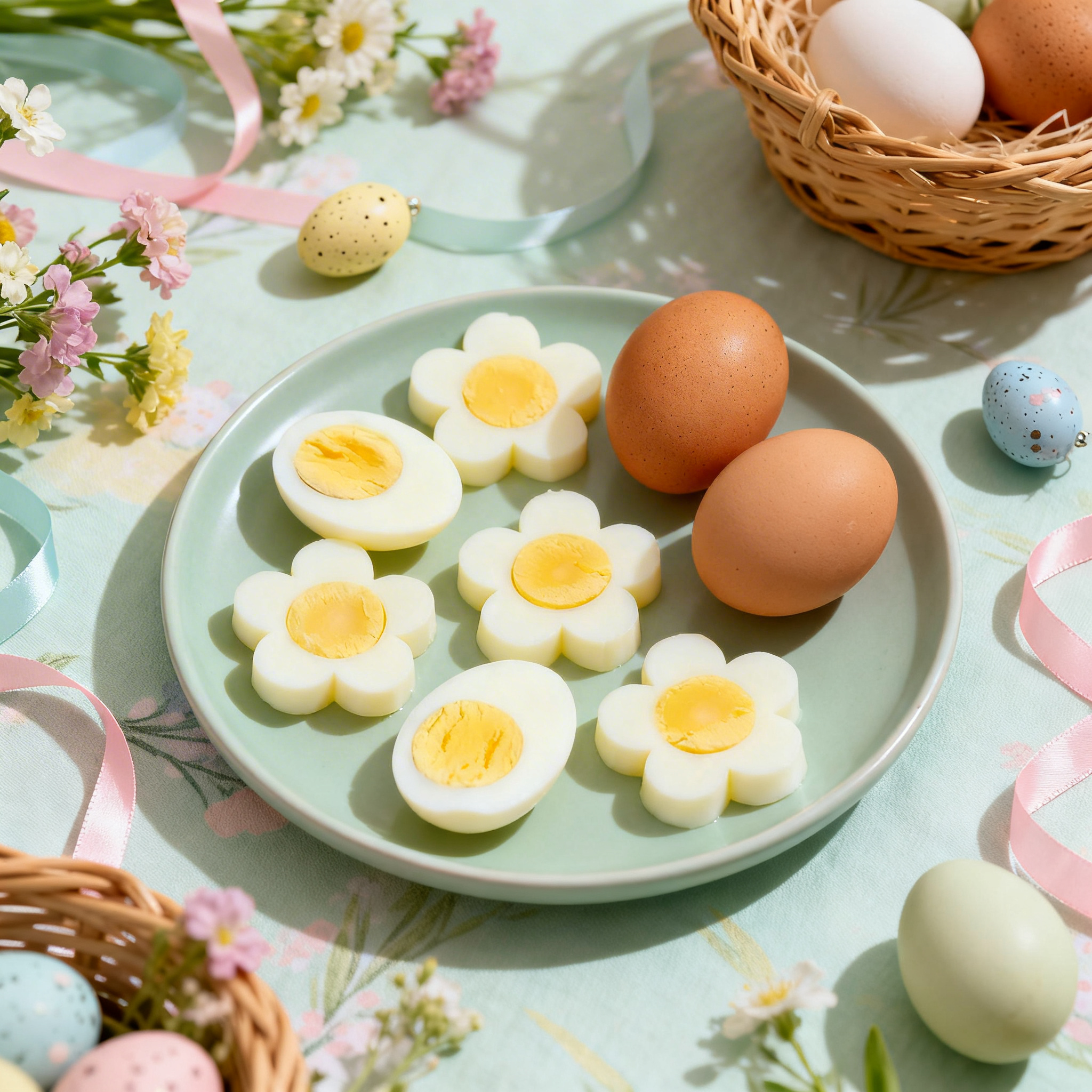
The result? A perfectly cooked egg, without any greenish traces, with a pleasant texture: perfect hard-boiled eggs guaranteed.
The importance of egg freshness
While cooking time plays a major role, the freshness of the eggs can also influence the result. Older eggs are more likely to develop that characteristic ring.
A simple trick to check their freshness: place the raw egg in a glass of water. If it sinks to the bottom, it's fresh. If it floats to the top, it's best to use it quickly in a well-cooked dish.
It's an easy habit to adopt to avoid unpleasant surprises.
Pay attention to the presentation, even for simple dishes.
Let's be honest: we also eat with our eyes. In a mixed salad or a cold dish, a bright yellow, uniform egg makes all the difference.
It's a bit like a beautiful presentation in a restaurant: it immediately makes you want to eat it.
By mastering the cooking process, you transform a basic ingredient into a real gourmet asset and obtain a bright yellow color.
Small gestures that change everything
Sometimes, it's the simplest details that make all the difference in cooking. Adjusting cooking time, cooling eggs quickly, choosing fresh produce... these are all easy steps that significantly improve the result.
And that's precisely the magic of everyday life: transforming a very simple recipe into a success every time.
The next time you prepare hard-boiled eggs, you will know exactly how to get a perfect yolk.




0 Comments:
Post a Comment