A question we've all asked ourselves, and one that makes us feel guilty… Read more
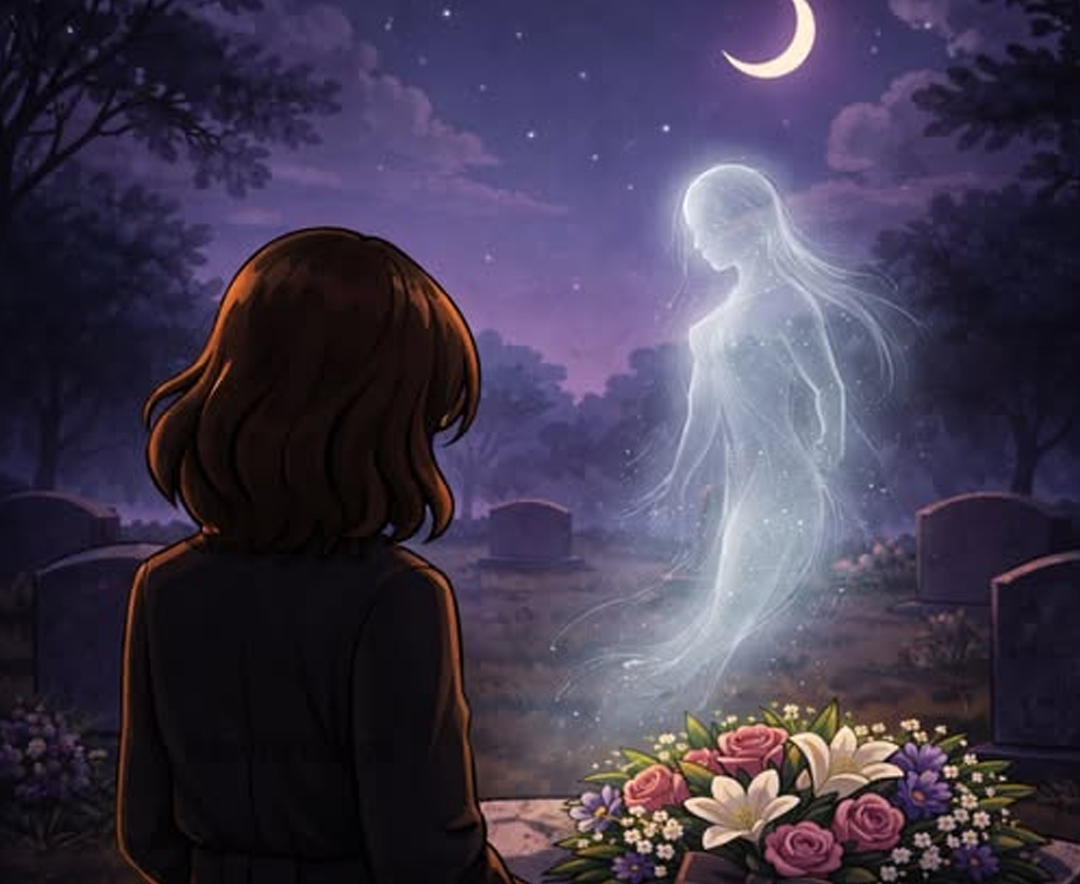
Is visiting the cemetery beneficial to the soul or to those who remain alive?
Visiting the cemetery after the loss of a loved one is a deeply ingrained custom, but its necessity varies from person to person. Between tradition and inner need, these visits raise questions about how we experience memory and grief.
Visiting the cemetery after the death of a loved one is a deeply ingrained ritual. For some, it's a regular, almost sacred, ritual. For others, it's more occasional, even difficult to imagine. But one question often arises, sometimes unspoken: are these visits truly essential… or do they primarily fulfill an inner need? Between tradition, emotion, and personal reflection, the answer is far more nuanced than one might think.
Why going to the cemetery remains such an important gesture
Places of remembrance have always held a special place in our societies. The cemetery, in particular, symbolizes a space of memory, a concrete anchor point for honoring a loved one.
Going there allows the absence to be made tangible. Flowers are left, a few minutes of silence are spent reflecting on shared memories. This often intimate moment helps to pay tribute in a tangible way.
In a busy daily life, these moments offer a pause, almost like a parenthesis outside of time. A moment to reconnect with what really matters.
What spiritual approaches say
According to many traditions, the cemetery is primarily a symbolic place. It houses the physical memory, but not necessarily the essence of the person.
In this view, the connection with a deceased loved one is not tied to a specific place. It lives on through thoughts, memories, and everyday gestures. Recalling a laugh, a habit, or a word can be just as powerful as visiting the place in person.
Some beliefs even consider that the essential lies elsewhere: in the intention, in the love that one continues to bear, in the way that one keeps the memory alive day after day.
In other words, the absence of a visit does not mean forgetting, quite the contrary.
The essential role of emotions in contemplation
From a psychological perspective, visits to the cemetery take on another dimension: they often respond to an emotional need.
Grief is a personal journey, sometimes complex, that takes time. And everyone finds their own way forward.
For some people, visiting a grave helps them express emotions that are difficult to verbalize elsewhere. It's a place where they can cry, reflect, or simply feel a sense of connection.
This ritual can bring comfort, especially in the early stages. It helps to ground reality while still allowing space for memories.
But this need is not universal: others prefer to maintain this connection in their daily lives, without going through a specific place.
Should we feel obligated to go?
It's a question many people ask themselves, sometimes with a touch of guilt. Does not going to the cemetery regularly mean that one is forgetting?
The answer is no.
Some habits come from family or cultural traditions, and it's normal to respect them if they resonate with us. But they should never become a constraint.
The most important thing is the meaning you give to your way of remembering. Whether it's by visiting regularly, thinking about the person at home, looking at photos, or continuing certain habits, all of this has value.
There is no universal rule.
Other ways to keep the memory alive
The bond with a loved one doesn't disappear with time, it evolves. And it can be nurtured in a thousand simple ways on a daily basis.
Talking about this person, passing on their values, cooking a recipe they loved, listening to music that reminds them of them… these gestures are all ways to keep a living presence.
Some people light a candle, write a few words, or simply take a moment to remember. These are discreet rituals, but often very powerful.
Ultimately, memory is not limited to a place: it is part of everyday life.
Simply listen to your needs
Over time, our relationship with memory changes. What was essential at one point may become less necessary later, and that's perfectly normal.
The most important thing is to listen to yourself, without pressure or obligation. If going to the cemetery brings you peace, then this gesture is entirely meaningful. If not, other paths exist.
Honoring a loved one is above all about cultivating a gentle, living and peaceful memory.
Because ultimately, it is not the places that maintain the bonds, but the love that we choose to keep alive each day, and the way we go through the grieving process .
.webp)
.webp)




0 Comments:
Post a Comment